

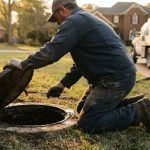

Restoring contaminated sites requires more than just basic cleanup. It involves a comprehensive understanding of local regulations, advanced remediation techniques, and a commitment to safeguarding both public health and the environment. Residents and property owners across Oklahoma often search for solutions to address soil, groundwater, or hazardous material contamination. That’s why many turn to an Environmental Remediation Specialist in Oklahoma to effectively and safely manage contaminated site restoration.
Understanding Environmental Remediation in Oklahoma
Environmental remediation is the process of removing pollutants or contaminants from environmental media such as soil, groundwater, sediment, or surface water. In Oklahoma, this process is governed by federal, state, and local regulations that ensure the safety of communities and the preservation of natural resources. Specialists in this field play a critical role in identifying contamination, assessing risks, and implementing tailored solutions.
Common Sources of Contamination
Contaminated sites in Oklahoma can originate from various sources, including:
• Former industrial facilities
• Agricultural operations
• Underground storage tanks
• Oil and gas production sites
• Illegal dumping of hazardous waste
Each type of contamination presents unique challenges. Environmental professionals are equipped to handle these complexities, ensuring the most effective remediation strategies are applied.
The Role of a Remediation Specialist
A qualified environmental remediation expert brings technical knowledge and practical experience to every project. Their responsibilities include:
1. Site Assessment and Investigation Specialists begin by conducting thorough site assessments. This includes collecting soil, water, and air samples to determine the extent and type of contamination. Advanced analytical techniques and risk assessments help prioritize areas needing immediate attention.
2. Remediation Planning Based on assessment findings, a remediation plan is developed. This plan outlines the methods and technologies to be used, the timeline for cleanup, and compliance requirements with regulatory agencies.
3. Implementation of Remediation Techniques Various remediation methods may be employed, such as: The chosen technique depends on site-specific factors, including contaminant type, location, and potential risks to human health.
4. Excavation and removal of contaminated soil
5. Bioremediation using microorganisms to break down pollutants
6. Soil vapor extraction for volatile contaminants
7. Pump and treat systems for groundwater contamination
8. Monitoring and Verification After remediation, ongoing monitoring ensures contaminants are reduced to safe levels. Specialists document progress, providing transparency and accountability to regulatory agencies and stakeholders.
Ensuring Safety and Compliance
Public health and environmental safety are paramount. Remediation experts strictly adhere to safety guidelines and regulatory standards throughout the process. They also engage with local communities, providing updates and addressing concerns, which fosters trust and minimizes disruption.
Benefits of Professional Remediation
Hiring a trained specialist offers several advantages:
• Regulatory compliance: Avoid costly fines and legal complications.
• Risk reduction: Protects human health and the environment.
• Property value restoration: Clean sites are more valuable and marketable.
• Sustainable solutions: Modern techniques minimize environmental impact.
Restoring contaminated sites is a complex process that demands expertise, careful planning, and a commitment to safety and compliance. By working with an Environmental Remediation Specialist in Oklahoma, property owners and communities can ensure that hazardous sites are restored effectively and responsibly. The involvement of skilled professionals not only protects public health and the environment but also paves the way for renewed land use and economic growth.