

Quick summary:
• Most households need septic tank pumping every three to five years, depending on tank size and household size.
• Typical pump-out costs run a few hundred dollars, while skipping service risks far more expensive drainfield repairs.
• Watching for slow drains, odors, or soggy yard patches helps homeowners schedule service before a backup occurs.
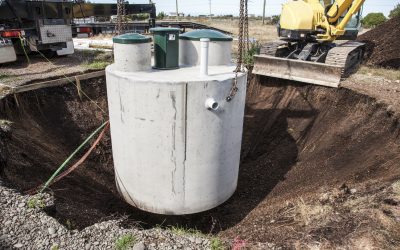
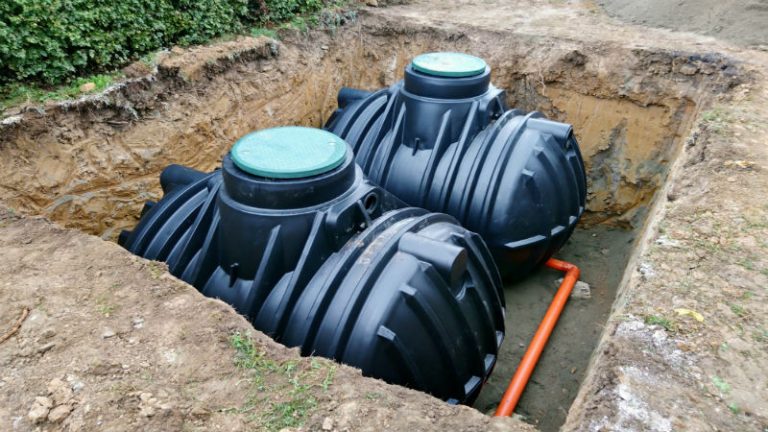
Septic tank pumping from Crews Septic Solutions LLC removes accumulated sludge and scum from a septic tank before it builds up enough to clog pipes or damage the drainfield. Most homeowners need this service every three to five years, though the exact timing depends on tank size, household size, and water usage habits.
Regular Septic Tank Pumping protects the entire wastewater system from costly breakdowns. A tank that goes too long without service allows solids to migrate into the drainfield, where they can clog soil pores and force an expensive replacement. Staying on a consistent pumping schedule is one of the simplest ways a homeowner can protect a significant investment in their property’s wastewater infrastructure.
How Often Does a Septic Tank Need Pumping
Pumping frequency is not one-size-fits-all. According to the EPA’s guidance on septic system care, the average household septic system should be inspected at least every three years by a septic service professional, and household septic tanks are typically pumped every three to five years.
Several variables determine where a specific household falls in that range:
• Household size — more occupants generate more wastewater and solids.
• Tank size — smaller tanks fill with sludge faster than larger ones.
• Water usage — heavy laundry, long showers, or leaky fixtures accelerate buildup.
• Garbage disposal use — grinding food waste adds solids that shorten the interval between pump-outs.
Alternative systems with electrical float switches, pumps, or mechanical components should be inspected more often, generally once a year. Homeowners with aerobic treatment units, lift stations, or other mechanical components should plan for more frequent professional checks than a standard gravity-fed tank requires.
What Influences Septic Tank Pumping Cost
Pump-out pricing varies based on tank accessibility, tank size, and whether additional services like filter cleaning or inspection are bundled in. A few factors consistently affect the final bill:
| Factor | Impact on Cost |
| Tank access (buried vs. exposed lid) | Buried tanks may require excavation, raising labor time |
| Tank size | Larger tanks hold more waste and take longer to pump |
| Added services | Filter cleaning or inspection during the same visit adds value |
| Travel distance | Rural or remote properties may include a service call fee |
Skipping scheduled pumping to save money often backfires. Solids that reach the drainfield can clog the soil absorption system, and repairing or replacing a drainfield is a far larger expense than routine maintenance would have been.
Signs Your Septic System Needs Attention Now
Waiting for a hard deadline on the calendar is not the only way to know service is due. Watch for these warning signs between scheduled pump-outs:
1. Slow-draining sinks, tubs, or toilets throughout the house.
2. Gurgling sounds in plumbing fixtures.
3. Sewage odors near the tank, drainfield, or inside the home.
4. Standing water or unusually lush, soggy grass over the drainfield.
5. Sewage backup in the lowest drains of the home.
Any of these symptoms warrant a call to a septic professional before the problem worsens. A technician can check sludge and scum levels directly rather than relying on guesswork about whether the tank is full.
Maintenance Habits That Extend System Life
Pumping is only part of keeping a septic system healthy. Simple daily habits protect the tank and drainfield between service visits:
• Avoid flushing wipes, grease, or non-biodegradable items, even those labeled “flushable.”
• Spread laundry loads throughout the week instead of doing them all in one day.
• Keep heavy vehicles and structures off the drainfield area.
• Schedule periodic inspections to catch effluent filter clogs or early tank issues.
Crews Septic Solutions LLC, a family-owned provider serving Southwest Florida, offers pumping, inspections, and maintenance services for residential and commercial septic systems. The company’s technicians focus on identifying the source of a septic issue rather than treating only the symptoms, which helps property owners avoid repeat service calls.
Frequently Asked Questions
How do I know if my septic tank is full? A professional inspection that measures sludge and scum layers is the most reliable method. Visual cues like slow drains or yard odors can indicate a problem, but only direct measurement confirms whether pumping is due.
Can I pump my own septic tank? Septic pumping requires specialized equipment to safely remove and transport waste in compliance with health regulations. This is a task best left to a licensed, insured septic service provider.
Does a garbage disposal affect pumping frequency? Yes. Garbage disposals add solid waste to the tank, which can shorten the time between necessary pump-outs compared to households without one.
What happens if I skip septic tank pumping? Skipped pumping allows solids to flow into the drainfield, where they can clog the soil and lead to system failure. This often results in repair or replacement costs far higher than routine maintenance.
Keeping a septic system on a consistent pumping and inspection schedule is one of the most practical ways to avoid backups, odors, and expensive drainfield repairs. Homeowners in Southwest Florida who need a pump-out, inspection, or general maintenance visit can View Crews Septic Solutions LLC’s Google Maps listing to review service details and contact information before scheduling an appointment.