



An HVAC system can develop performance problems after a monsoon even when the outdoor unit appears physically intact. Windblown debris, moisture, electrical fluctuations, restricted airflow, and dirt buildup can affect components without leaving obvious exterior damage.
For homeowners in Chandler, AZ, monsoon weather can create conditions that place unusual stress on heating and cooling equipment. A system may continue running after a storm but cool less effectively, make unfamiliar noises, cycle differently, or require HVAC repair days later.
How Can Monsoon Debris Affect an Outdoor HVAC Unit?
Strong winds can carry dust, leaves, small branches, landscaping material, and other debris around a property.
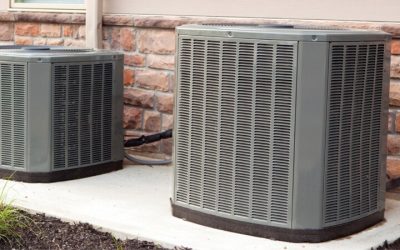
The outdoor HVAC unit needs adequate airflow to release heat collected from inside the home. When debris accumulates against the condenser or becomes lodged around the equipment, airflow can become restricted.
The unit may still operate, so the problem is not always immediately obvious. However, reduced airflow can force the system to work harder to achieve the thermostat setting.
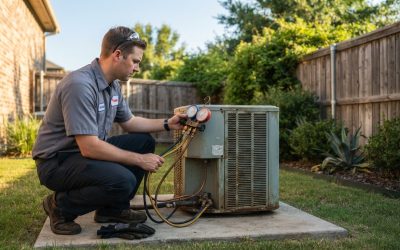
After a storm, homeowners can visually inspect the area around the outdoor unit and remove loose debris from the surrounding ground. Anything lodged inside the equipment or attached to electrical components should be left for trained technicians.
Can Dust From a Monsoon Affect HVAC Performance?
Yes. Arizona monsoon winds can move substantial amounts of dust through neighborhoods, and some of that material can settle on HVAC equipment.
The condenser coil contains closely spaced surfaces designed to transfer heat. When dirt and dust coat those surfaces, heat transfer may become less effective.
Indoors, airborne dust can also load the HVAC filter faster than homeowners expect. A filter that becomes heavily restricted can reduce airflow through the system.
These conditions do not automatically mean major HVAC system repair is needed. However, unusually weak airflow or declining cooling performance following a dusty storm can justify an inspection or HVAC unit maintenance.
Can Rain and Moisture Cause Problems Even if the HVAC Unit Is Designed for Outdoor Use?
Outdoor HVAC equipment is built to operate in changing weather conditions, including rain. Normal rainfall by itself generally does not damage a properly installed condenser.
Monsoon storms, however, can involve wind-driven rain, standing water, debris, and rapidly changing conditions.
Electrical connections, damaged seals, or existing equipment weaknesses may become more noticeable after exposure to heavy weather. Water collecting in areas where it should not remain may also create concerns that deserve closer evaluation.
Homeowners should avoid opening electrical panels or attempting to inspect internal wiring themselves. If the system begins behaving differently after heavy rain, an HVAC repair service can determine whether moisture contributed to the problem.
Can a Monsoon Cause Electrical HVAC Problems?
Storm-related HVAC trouble is not always mechanical.
Power outages, brief voltage drops, and electrical fluctuations can occur during severe weather. HVAC systems depend on several electrical components, including capacitors, motors, contactors, thermostats, and control boards.
An electrical disturbance may cause immediate failure, but problems can also appear later. A weakened component might allow the system to restart before beginning to operate inconsistently.
Possible warning signs include:
- Failure to restart after power returns
- Repeated breaker trips
- Humming or buzzing during startup
- The indoor fan running while the outdoor unit remains off
- Unexpected shutdowns
- Irregular cycling
Repeated electrical problems should be evaluated rather than managed by continually resetting the equipment.
Why Can Cooling Feel Weaker After the Storm Has Passed?
A system does not have to stop completely to have a problem.
Restricted condenser airflow, a heavily loaded filter, electrical issues, or a component operating outside its normal range may reduce system performance while still allowing the equipment to run.
This can make post-monsoon problems easy to overlook. A homeowner may initially assume the weather simply made the home more difficult to cool.
If cooling remains noticeably weaker after normal conditions return, the issue may deserve professional attention.
A qualified HVAC Contractor can evaluate system operation and determine whether the change is associated with airflow, electrical performance, equipment condition, or another cause.
What Should Homeowners Check After a Chandler Monsoon?
A basic visual inspection can help identify straightforward problems without opening or dismantling HVAC equipment.
Homeowners can check whether:
- Branches or debris are blocking the outdoor unit
- Landscaping material has shifted against the condenser
- The air filter is unusually dirty
- The thermostat is operating normally
- The system is producing normal airflow
- The HVAC breaker has tripped
- New noises appeared after the storm
The outdoor equipment should also have sufficient open space around it for airflow.
Anything involving internal electrical parts, refrigerant components, motors, or damaged equipment should be handled by an HVAC professional.
Does Every Post-Monsoon Problem Require HVAC Repair?
No. Sometimes a system simply needs debris cleared from its surroundings or an excessively dirty filter replaced.
However, HVAC repair may be necessary when the system will not start, repeatedly shuts down, trips a breaker, produces weak cooling despite adequate airflow, or develops unusual mechanical or electrical noises.
The distinction matters because continuing to operate malfunctioning equipment can place additional stress on HVAC components.
HVAC unit maintenance can also be useful after particularly dusty periods because it gives technicians an opportunity to inspect equipment condition and identify buildup or wear that is not visible from outside.
Why Should Chandler Homeowners Pay Attention After Monsoon Weather?
Monsoon-related HVAC problems can be subtle. A unit does not need to be visibly bent, flooded, or covered in branches to have been affected by storm conditions.
Dust can interfere with heat transfer, debris can reduce airflow, power fluctuations can stress electrical components, and moisture can expose existing weaknesses.
Homeowners in Chandler should pay attention to how their HVAC system operates before and after severe weather. Changes in airflow, cooling performance, sound, startup behavior, or cycling can provide early indications that something has changed.
When those symptoms persist, a professional HVAC system repair assessment can identify the source of the problem and determine whether maintenance or targeted repair is appropriate. Addressing the actual cause is more useful than assuming a system is fine simply because there is no visible storm damage.