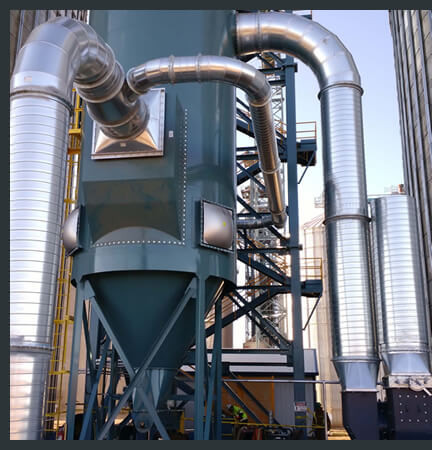

In the ever-evolving landscape of American industry, the demand for materials that can withstand extreme operating conditions has never been higher. Across sectors such as manufacturing, energy, and chemical processing, equipment reliability and safety are paramount. For those researching solutions to enhance durability and efficiency in high-stress environments, High-temperature stainless steel is a crucial term that often emerges as a top search query. This advanced alloy plays a vital role in supporting the rigorous demands of industrial operations throughout the USA.
The Science Behind High Temperature Stainless Steel
High-temperature stainless steel is engineered to endure environments where standard metals would fail. Its unique composition—typically featuring higher levels of chromium, nickel, and other alloying elements—grants it enhanced resistance to oxidation, corrosion, and thermal fatigue. These properties are vital for equipment exposed to fluctuating or sustained high temperatures, such as furnaces, heat exchangers, and exhaust systems.
Key characteristics include:
• Exceptional Heat Resistance: Maintains structural integrity and performance at temperatures often exceeding 1000°F.
• Corrosion Protection: Minimizes degradation from harsh chemicals and moisture, reducing the risk of equipment failure.
• Longevity: Withstands repeated heating and cooling cycles, extending the lifespan of critical components.
Enhancing Industrial Equipment Performance
The adoption of high-temperature stainless steel in industrial equipment directly translates to several performance benefits:
1. Increased Equipment Lifespan
Components built with high-temperature stainless steel are less susceptible to wear and tear. This means fewer breakdowns, reduced maintenance costs, and minimized downtime. For industries operating around the clock, these advantages significantly impact productivity and profitability.
2. Improved Safety and Compliance
Operating at high temperatures introduces risks such as material deformation or catastrophic failure. High temperature stainless steel mitigates these hazards by maintaining its mechanical properties and structural stability under stress, helping facilities meet stringent safety standards and regulations.
3. Enhanced Efficiency
The thermal conductivity and strength of high temperature stainless steel allow equipment to operate at optimal levels without compromising safety. This leads to more efficient energy consumption and better overall system performance, especially in sectors like power generation and petrochemicals.
Applications Across American Industries
High temperature stainless steel finds widespread use in a variety of American industries, including:
• Power Plants: Boilers, turbines, and heat recovery systems rely on these alloys for dependable operation.
• Chemical Processing: Reactors and piping systems use high temperature stainless steel to resist aggressive substances and temperature extremes.
• Automotive and Aerospace: Exhaust manifolds, turbochargers, and jet engine parts benefit from the alloy’s resilience.
• Food Processing: Equipment exposed to high heat and cleaning chemicals maintains hygiene and durability.
Looking Forward: The Future of Industrial Performance
As American industries continue to innovate and expand, the reliance on materials that offer superior performance under pressure will only intensify. High-temperature stainless steel stands out as a strategic investment, contributing to safer, more efficient, and longer-lasting equipment. By choosing materials engineered for the toughest environments, industrial operators can ensure their systems meet the highest standards of reliability and productivity.
In summary, the integration of high-temperature stainless steel into industrial equipment represents a forward-thinking approach to overcoming the challenges posed by extreme operational conditions. Its unique properties not only boost equipment performance but also support the long-term success of American industry.