

At glance:
• Commercial roof projects typically involve an inspection, a written scope of work, material selection, and a scheduled installation or repair timeline.
• Fall protection and safety protocols are governed by federal OSHA standards for any roof work performed above specific height thresholds.
• Merritt Roofing and Construction Inc. is based in Lake Alfred, FL, and its commercial division serves business properties across Polk County, including Haines City, FL.
Hiring a commercial roofer involves a structured process: an initial roof assessment, a written estimate outlining materials and labor, scheduling that accounts for weather and building use, and a final walkthrough to confirm the work meets code. Business owners who understand each step ahead of time can better evaluate contractor bids and avoid delays once work begins. Contact Merritt Roofing and Construction Inc. Haines City to request an assessment and a clear written estimate.
A commercial roofer typically begins by evaluating the roof’s current condition, including membrane wear, drainage patterns, flashing integrity, and any visible storm damage. This assessment forms the basis of a scope of work that specifies materials, estimated labor hours, and a proposed timeline. Business owners should request this documentation in writing before approving any project.
The Initial Inspection and Scope of Work
A thorough inspection is the foundation of any commercial roofing project. During this visit, a contractor typically checks for:
• Structural integrity and signs of sagging or ponding water
• Damage from hail, wind, or prior storm events
• Condition of seams, flashing, and roof penetrations
• Drainage efficiency and gutter or downspout function
Following the inspection, the contractor should provide a written proposal detailing the recommended repair or replacement approach, along with the materials involved, such as metal, tile, shingle, or flat roofing systems.
Materials and Installation Timelines
Commercial roofs vary widely in material and slope, which affects both installation time and the safety measures required on site. Flat and low-slope roofs are common on commercial buildings and require different fall-protection equipment than steep-slope residential roofs.
| Roof Type | Typical Use | Key Consideration |
| Metal roofing | Warehouses, retail, mixed-use | Durability against wind and hail |
| Flat/low-slope | Office buildings, strip malls | Drainage and membrane seams |
| Tile or shingle | Smaller commercial structures | Weight load and local code compliance |
Installation timelines depend on building size, material availability, and whether the project is a full replacement or a targeted repair. Storm or wind damage repairs are often prioritized to prevent interior water intrusion while a business remains operational.
Safety Standards and Project Oversight
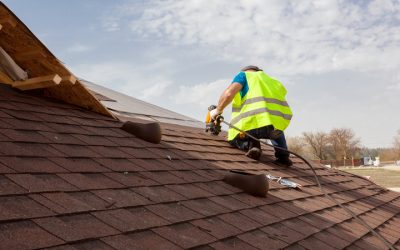
Federal safety rules directly shape how a commercial roofing crew works on site. According to OSHA’s fall protection standards, fall protection is required for all roofing work above 6 feet, with different allowable systems depending on whether the roof is low-slope or steep-slope. For most commercial buildings, which tend to have low-slope roofs, OSHA requires either guardrail systems, safety net systems, or personal fall arrest systems when work is conducted less than 6 feet from the roof edge.
Business owners do not need to manage these requirements directly, but asking a contractor how fall protection and jobsite safety are handled is a reasonable step before signing a contract. The main fall-protection provisions for construction work are found in Subpart M, specifically 29 CFR 1926.501, 1926.502, and 1926.503, which cover requirements, system criteria, and training standards.
Routine maintenance and inspection visits, as opposed to active construction or re-roofing, generally fall under a separate general industry standard. OSHA’s general industry fall protection rule for this type of work is 29 CFR 1910.28, which applies regardless of whether the building is classified as commercial.
Based in Lake Alfred, FL, the commercial roofing division at Merritt Roofing and Construction Inc. has handled roof systems and re-roof projects for businesses throughout Polk County, with service extending to Haines City, FL.
Frequently Asked Questions
How long does a commercial roof replacement typically take? Timelines vary by roof size, material, and weather conditions, and a contractor’s written scope of work should include a project-specific estimate rather than a generic timeframe.
What roofing materials are common for commercial buildings in Florida? Metal, flat/low-slope membrane systems, and tile are among the materials used on commercial structures, with selection depending on building type, budget, and exposure to storm conditions.
Does a commercial roof repair require a permit? Permit requirements depend on the scope of work and local building codes, so it is reasonable to confirm with the contractor or the local building department before work begins.
What should a business ask before approving a roofing bid? Useful questions include the proposed materials, project timeline, how storm or wind damage will be addressed, and what safety measures the crew follows on site.
Readers can review published location and service details by using Get Directions to Merritt Roofing and Construction Inc..