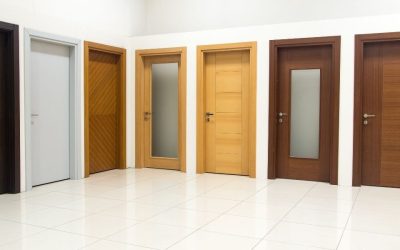



Natural color variation in custom wood doors comes from differences in wood species, grain structure, mineral content, growth conditions, board selection, and exposure to light. These variations are normal characteristics of real wood and often contribute to the depth and individuality of a finished door.
For Phoenix homeowners, understanding these differences is important because a sample cannot show every tone, line, or pattern that may appear across a full-size door. The goal is usually not perfect uniformity, but a balanced arrangement that works with the home’s architecture and surrounding materials.
Why Can Boards From the Same Wood Species Look Different?
A wood species may have a recognizable general color, but individual boards are never exact copies of one another. Trees grow under different soil, moisture, temperature, and sunlight conditions, all of which can affect the appearance of the wood.
Even boards taken from the same tree may show noticeable differences. Wood closer to the center of the tree can look different from wood nearer the outer growth rings. One section may display straight grain, while another contains curves, waves, or stronger contrast.
This means custom-made wooden doors often contain subtle changes in shade and grain across their surface. A skilled layout can organize those variations so they appear intentional rather than random.
What Is the Difference Between Heartwood and Sapwood?
Heartwood is the older wood near the center of a tree, while sapwood is the younger outer portion that once transported water and nutrients. These two areas can have distinctly different colors.
Heartwood is often darker or richer because it contains accumulated natural compounds. Sapwood may appear lighter and more consistent. The degree of contrast depends on the species.
When both are present in custom wood entry doors, they can create natural bands or changes in tone. Some homeowners appreciate this visible variation because it emphasizes the authenticity of the material. Others may prefer boards selected for a more restrained and consistent appearance.
Neither approach is automatically better. The right choice depends on the desired architectural effect.
How Does Wood Grain Affect Perceived Color?
Grain is often discussed as a pattern, but it also affects how color is perceived. Light reflects differently from straight grain, figured grain, knots, and end grain.
A board may appear lighter from one viewing angle and darker from another. This effect can become more noticeable as someone moves past the door or as daylight changes throughout the day.
Vertical grain can create long, consistent bands of color. More expressive grain may produce areas of stronger light and dark contrast. On a natural wood front door, these patterns can become a major part of the design, especially when the door uses broad panels with limited decorative detail.
The direction and arrangement of the boards should therefore be considered alongside the wood’s overall tone.
What Causes Mineral Streaks and Other Natural Marks?
Trees absorb minerals from the soil as they grow. In some species, these minerals may create dark lines, streaks, or areas of color variation within the wood.
Other natural features may include:
- Knots formed where branches once grew
- Small pin knots
- Curved grain around branch locations
- Darker growth rings
- Lighter sapwood sections
- Irregular figure
- Naturally occurring color bands
These characteristics are not automatically defects. They are evidence that the material came from a living tree with its own growth history.
For handmade wooden doors, the design process may involve highlighting certain markings or selecting boards with quieter grain, depending on the client’s preferences and the home’s style.
Does Board Cutting Method Change the Appearance?
The way a log is cut affects both the grain pattern and how color appears across each board. Common cutting methods expose the growth rings from different angles.
Flat-sawn boards often display wider, more curved grain patterns. Quarter-sawn boards tend to show straighter grain and may reveal distinctive figure in certain species. Rift-sawn boards generally provide a more uniform linear appearance.
These cutting methods can make the same wood species look significantly different. A broad, flowing grain may suit a rustic or traditional design, while straighter grain may complement a modern Phoenix residence.
When planning custom wood doors, board orientation and selection can help control how much variation appears across the finished surface.
Can Sunlight Change the Color of a Wood Door?
Natural light can gradually affect the appearance of wood. Some species deepen or warm over time, while others may become lighter with prolonged exposure.
Phoenix homes receive abundant sunlight, but exposure varies considerably between properties. A deeply recessed front entrance may remain shaded for most of the day, while a west-facing door may receive direct afternoon sun.
Overhang depth, nearby walls, landscaping, and the direction of the entrance all influence how much light reaches the door. Because of these variables, two custom-made wooden doors built from the same species may age differently after installation.
Homeowners should consider the mature appearance of the wood, not only how a new sample looks under indoor lighting.
Why Can a Small Sample Be Misleading?
A sample provides useful information about the general wood species, grain scale, and range of tones. However, it represents only a very small portion of the material.
A full-size door may include several boards, each with its own grain pattern and natural variation. A sample cannot predict the exact placement of every streak, knot, or color transition.
Lighting also changes how a sample appears. Wood viewed under showroom lighting may look warmer or cooler when placed near exterior stone, interior flooring, or direct Arizona daylight.
For a more accurate design decision, homeowners can compare samples near the actual entrance and review them at different times of day.
Should a Wood Door Match the Home’s Other Wood Elements?
A wood entry door does not need to match nearby cabinets, flooring, beams, or furniture exactly. Exact matching is often difficult because those materials may come from different trees, production periods, or wood sources.
A more practical approach is to coordinate broader characteristics, such as:
- Warm or cool undertones
- Light, medium, or dark value
- Grain scale
- Level of natural variation
- Architectural style
- Overall visual weight
For example, a richly varied door may work well with relatively simple flooring if both share compatible undertones. A restrained, straight-grain door may complement an exterior with detailed stone or patterned masonry.
The objective is visual connection, not perfect duplication.
How Can Homeowners Plan for Natural Variation?
Homeowners should first decide whether they prefer a calm, consistent appearance or a more expressive display of grain and color. That preference can guide the selection and arrangement of boards.
It is also helpful to review the full entrance, including the wall color, stone, tile, metalwork, hardware, and interior foyer. A door with strong variation may become the focal point, while a more uniform door can support other architectural features.
Natural variation is one of the defining qualities of real wood. When the species, grain, and board layout are selected thoughtfully, those differences can give custom wood entry doors greater depth and individuality.
Anasazi Architectural Door creates made-to-order exterior doors for Arizona homes, with each design developed around the opening, architecture, and natural characteristics of the selected wood. Their work demonstrates how material variation can become part of a coordinated design rather than something that needs to be hidden.