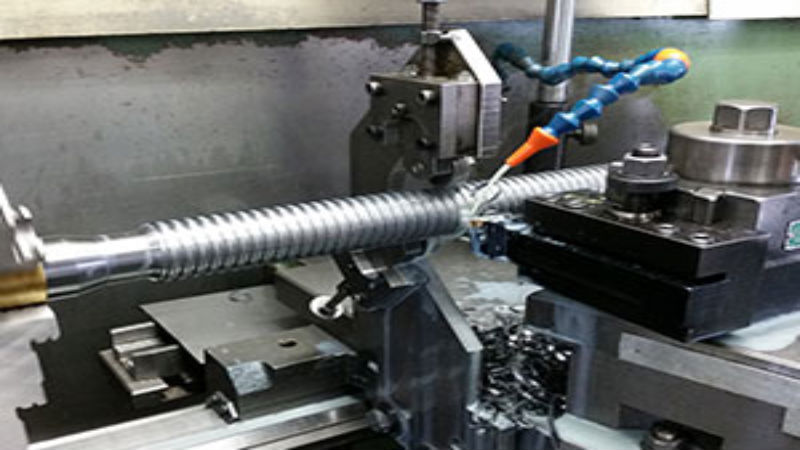

The threading operation is a demanding task. Thread turning is difficult. While technology has been successful in decreasing the degree of difficulty and lessened the amount of time a machinist needs to spend performing the process, it is still not a simple or easy task to handle. It requires both skill and experience as well as an understanding of the steps and machinery involved.
Technological Improvements
As is the case in all forms of metalwork, the success of an operation requires the amalgamation of two components:
- A skilled machinist
- Quality (and proper) tools
The experienced and knowledgeable machinist will have the right skills and techniques at his or her fingertips; the equipment will be the right tools to optimize the process.
Today’s technology for threading operations has improved capabilities and quality. Advancements have taken place
- The coatings for tools
- The material grades for tools
- Designs of inserts, therefore, reducing chips
However, the ongoing improvements do not decrease the essentially demanding nature of a threading operation.
Why Is It So Demanding?
Turning operations can be demanding, but not as much as thread turning is. The reasons for this are multiple.
- The cutting forces are higher than those for standard turning
- The threading insert tends to have a smaller radius
- The feed rate for thread turning must be precise – corresponding exactly to the thread’s pitch
- In general, the feed rate for threading is more than 10 times more than that of standard turning
All these factors result in thread turning being a more demanding form or turning.
The Demands of a Threading Operation
At is most basic, thread turning produces male or female threads. Whether the threading operation utilizes universal lathes or CNC machining, the result is the same. While facing time and even budgetary constraints, the machinist must also deal with other factors that make the process so demanding. These include the need for high-quality precision and repetition at all times.