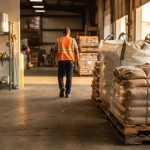



• Franklin, Louisiana is home to established custom rubber and polyurethane manufacturers serving oil, gas, marine, and industrial sectors.
• Key products to evaluate include molded rubber parts, rubber rollers, pipe spacers, and pipeline coatings.
• A qualified manufacturer should offer in-house molding, machining, and material testing under one roof.
Finding the right partner starts with confirming that a shop can actually mold, machine, and finish rubber and urethane parts on site rather than outsourcing steps to third parties. Buyers searching for a Commercial Rubber Manufacturer Franklin LA are typically looking for a supplier capable of producing custom molded rubber components for demanding offshore, marine, or industrial applications, not just a generic distributor. Franklin sits along the Gulf Coast industrial corridor, where oilfield, marine, and pipeline work create steady demand for rubber and polyurethane parts built to withstand corrosion, abrasion, and constant mechanical stress.
What a Commercial Rubber Manufacturer Actually Produces
Custom rubber manufacturing covers a range of components that support heavy industrial equipment and infrastructure. Facilities in this space typically produce:
• Custom molded rubber parts, gaskets, and seals for varied industrial uses
• Rubber and polyurethane rollers engineered for durability and performance
• Pipe spacers and tensioner pads used in pipeline installation
• Specialty pipeline coatings designed to protect metal pipe in splash zones
One regional manufacturer in this category has built its reputation as the leader in splash zone protection and a leading manufacturer of cast urethane and rubber tools for offshore and marine applications, with specialty products including rubber rollers, polyurethane rollers, pipe spacers, tensioner pads, and SplashTRON pipeline coatings. This kind of specialization reflects the broader needs of Gulf Coast oil, gas, and marine operators who require parts engineered for saltwater exposure and heavy mechanical loads.
Evaluating Manufacturing Capability and Facility Setup
Not every supplier that markets rubber products actually manufactures them in-house. A facility with combined molding and machining capability can typically handle projects with tighter tolerances and faster turnaround. According to industry data, having over 50 years of experience in the industry, few companies have the capability to manufacture both custom molded polyurethane and rubber products at the same facility.
In-house capabilities worth confirming before selecting a supplier include:
1. Custom mold design and fabrication
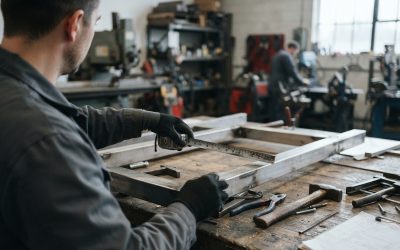
2. CNC machining, milling, and sawing for precision finishing
3. Elastomeric roller machining and grinding
4. Weld fabrication for metal components paired with rubber coatings
One Franklin-based operation reports that it opened an in-house machine shop in 2008 specializing in elastomeric roller machining and grinding, mold and die fabricating, and manufacturing parts for the oil and gas industry worldwide. Having these processes under a single roof reduces handoffs between vendors, which can shorten lead times on custom orders.
Material selection also matters for long-term part performance. The National Institute of Standards and Technology maintains reference data and standards work relevant to elastomer and polymer material testing, which manufacturers can use to validate compound performance under stress and environmental exposure.
Turnaround, Compliance, and Project Planning
Custom rubber projects vary widely in complexity, so timelines are rarely fixed. The timeline for completing an order of custom rubber products can range from a few days to several weeks, depending on the complexity of the mold and the materials used, with a clear timeline provided after reviewing project details. Buyers should ask for a written estimate early in the process to avoid scheduling surprises.
Compliance requirements differ by industry and application. In most cases, custom rubber product manufacturing does not require special permits, though some industries may require specific compliance or certifications, and a manufacturer should work with the client to ensure necessary approvals are obtained. Warranty coverage is another factor to confirm before placing an order, since it signals confidence in material quality and molding consistency.
| Evaluation Factor | Why It Matters | What to Ask |
| In-house molding and machining | Reduces vendor handoffs and delays | Is finishing done on site? |
| Material and compound testing | Ensures durability under load | What testing standards are used? |
| Lead time transparency | Prevents project delays | What is the typical turnaround? |
| Industry experience | Confirms application-specific expertise | Which sectors have you served? |
Questions to Ask Before Placing an Order
How long has the manufacturer operated in the region? Longevity in a specialized field like custom rubber molding often correlates with refined processes and supplier relationships built over time.
Can the facility handle both prototype and full production runs? A shop that manages small custom batches and larger production orders offers more flexibility as project needs change.
What industries does the manufacturer typically serve? Facilities that serve oilfield, marine, and industrial clients are more likely to understand corrosion resistance, load tolerance, and other application-specific demands.
Does the manufacturer provide warranty coverage on molded parts? Warranty terms indicate how a supplier stands behind material quality and manufacturing consistency over the life of the part.
Selecting a rubber manufacturer is ultimately a question of matching in-house capability, material expertise, and turnaround transparency to the demands of your project. For companies operating along the Gulf Coast, working with a local, established facility can simplify communication and shorten lead times compared to out-of-state suppliers. Mark Tool & Rubber Co. Inc has operated in Franklin for decades, offering a practical example of the kind of combined molding and machining setup outlined above for buyers comparing options in the region.
Frequently Asked Questions
What products does a commercial rubber manufacturer typically produce? Common products include custom molded rubber parts, gaskets, seals, rubber and polyurethane rollers, pipe spacers, and pipeline coatings for industrial and marine applications.
How long does a custom rubber manufacturing order take? Timelines vary based on mold complexity and material selection, ranging from a few days to several weeks once project specifications are confirmed.
Do custom rubber products require special certifications? Most orders do not require special permits, though certain industries may need specific compliance documentation, which a manufacturer can help coordinate.
Why does in-house machining matter for rubber manufacturing? Facilities that combine molding and machining on site can finish parts to precise tolerances without added delays from outside vendors.