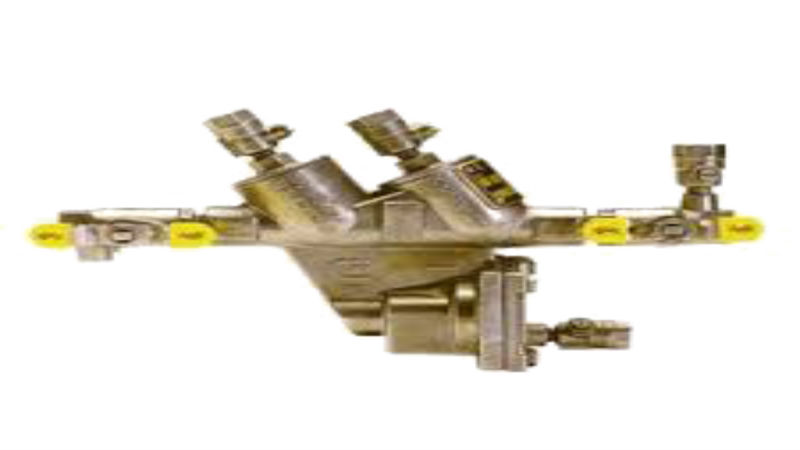

If you live in a home, run a business, operate a company, visit a hospital or eat at a restaurant, you could be at risk of being a victim of contaminated drinking water. It can occur for many reasons but one of the most common is back flow. The United States Environmental Protection Agency (EPA) recognizes backflow as a substantial public health issue. They recorded the incident level to reach 459 incidents between 1970 and 2001. However, the American Backflow Prevention Association (ABPA) estimates the figure to be substantially higher. In fact, they believe it to be closer to 100,000 daily, most of them preventable if a back flow preventer was installed and back flow testing was mandatory and consistent.
What Is Backflow?
Experts in Illinois define backflow (or back flow) as an unsought or wanted reversal of water flow resulting in a mixture of two different water types. The consequence may be the release of contaminants into the water supply. In other words, water going in one direction flows in the wrong direction creating a back flow. Potential causes are:
* Back-pressure
* Back-siphonage – flows in and then out of a fixture or a building
* Increase in pipe water pressure
These occur regularly and do not pose a problem in many instances. The reasons health issues may not arise is the lack bacteria or pathogens in the now mixed water supply. However, such risks can be removed altogether if back flow preventers are put into place and maintained.
What are Backflow Preventers?
Backflow preventers have a singular role. They protect the water supply form any exterior contamination. They do so by permitting the water to flow in only one direction. Also known as RPZs, they are regulated in instances where an end user could possibly present a pollution risk to the drinking water of the supplying agent – usually a city. However, in order for them to be effective, back flow preventer inspection needs to be part of a regular program of care and maintenance.
Back Flow Preventer Testing: Who and How Often
Installation of the device must comply with Illinois plumbing and/or building codes. In most cities, testing is required of back flow preventers during and after installation. Specifically:
1. Before the device is put into place
2. Annually following installation
The only person truly qualified to inspect and test is a state licensed individual. The department authorizing the license is often the Board of Health. Among the components tested would be double-check valves and test cocks. Installing a backflow device is one way of ensuring drinking water in our cities remains pure; back flow preventer testing is one of the most effective means of making certain the devices continue to function properly.