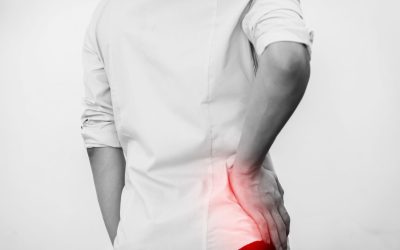



Many people assume that an old injury is fully healed once the pain disappears. However, some soft-tissue injuries can become noticeable again when activity levels increase, even after months of feeling normal.
A person may return to exercise, increase training intensity, start a new physical activity, or become more active at work and suddenly notice discomfort in an area that was injured in the past.
For active adults in Irvine, CA, this pattern can be frustrating. Understanding why an old injury may become irritated again can help explain why symptoms return and what factors may influence recovery.
Why Can an Old Injury Flare Up Again?
Soft tissues such as muscles, tendons, and ligaments are designed to adapt to movement and physical demands. After an injury, the body begins a repair process, but returning to activity too quickly or placing increased stress on the area can sometimes reveal lingering issues.
A previous injury may leave behind changes in strength, mobility, coordination, or how the body distributes force during movement.
For example, someone recovering from a shoulder injury may unconsciously rely more on surrounding muscles. A runner with a previous lower-leg injury may change their stride without realizing it. These adjustments can reduce discomfort initially but may create additional stress when activity increases.
Why Does Pain Return When Exercise Volume Increases?
The body responds to gradual increases in physical demand. However, sudden changes in intensity, duration, or frequency can place more stress on tissues than they are prepared to handle.
Common examples include:
- Increasing running distance too quickly
- Returning to sports after a long break
- Adding heavier resistance training
- Repeating the same movement frequently
- Increasing work-related physical tasks
When the workload exceeds the tissue’s current capacity, symptoms may return.
This does not always mean the original injury has returned exactly as it was. Instead, the area may be reacting to increased stress because strength, mobility, or tissue tolerance has not fully caught up with activity demands.
Could Scar Tissue or Tissue Changes Affect Movement?
After an injury, the body creates new tissue as part of the healing process. This repair process is necessary, but the area may not always move exactly as it did before.
Some people notice reduced flexibility, sensitivity during certain movements, or discomfort when returning to higher levels of activity.
The surrounding muscles may also compensate for changes in the injured area. Over time, these altered movement patterns can affect other parts of the body.
This is why evaluating movement as a whole can be important when dealing with recurring soft-tissue discomfort.
How Can Shockwave Therapy Relate to Soft-Tissue Recovery?
Shockwave therapy is one approach that may be considered for certain chronic soft-tissue conditions. It uses acoustic waves directed toward targeted areas of the body to encourage a localized response within the tissue.
The treatment is commonly discussed in relation to persistent tendon discomfort and injuries that have not improved as expected with basic rest or activity modification.
Shockwave is not designed to replace proper rehabilitation or address every type of injury. Instead, it may be used alongside other approaches depending on the individual’s condition and goals.
A proper evaluation can help determine whether shockwave therapy is appropriate based on the location, duration, and nature of the symptoms.
Why Is Movement Assessment Important After an Injury?
Pain often occurs because of more than one factor. The original injury may be one part of the situation, but how the body moves afterward can also influence symptoms.
A sports chiropractor may look at:
- Joint mobility
- Muscle strength
- Movement patterns
- Activity habits
- Previous injuries
- Areas of compensation
For athletes and active adults, the goal is often to understand what changes may have occurred since the original injury and how those changes affect current performance.
Addressing movement patterns may help reduce the likelihood of repeatedly irritating the same area.
What Role Can Chiropractic Therapy Play?
Chiropractic therapy may involve different techniques depending on the person’s symptoms and movement limitations.
An evaluation may include assessing how the spine, joints, and soft tissues work together during everyday activities or exercise. Treatment approaches may include mobility exercises, adjustments, rehabilitation strategies, or other conservative methods.
Someone seeking a pain relief chiropractor in Irvine may benefit from an approach that considers both the painful area and the surrounding structures that influence movement.
The focus is often on identifying contributing factors rather than simply addressing where discomfort is felt.
How Can Someone Return to Activity More Safely?
Gradual progression is one of the most important parts of returning to physical activity after an injury.
Increasing intensity slowly gives the body time to adapt. It can also make it easier to identify whether a specific movement or workload is causing symptoms.
Other helpful strategies may include:
- Maintaining strength in supporting muscles
- Including mobility work in a routine
- Warming up before demanding activity
- Paying attention to changes in movement
- Avoiding sudden increases in training volume
These habits can help active individuals better understand their bodies and respond earlier when discomfort appears.
When Should an Old Injury Be Evaluated?
An old injury may deserve further attention when symptoms:
- Return repeatedly with increased activity
- Affect exercise performance
- Limit normal movement
- Continue despite rest
- Become progressively worse
- Cause weakness, instability, or significant discomfort
A recurring flare-up does not necessarily mean a person must stop being active. However, understanding the reason symptoms return can help guide appropriate next steps.
Understanding Why Old Injuries Come Back
An injury that returns after increased activity is often a sign that the body is responding to a change in demand. The issue may involve tissue sensitivity, reduced strength, movement compensation, or difficulty adapting to a higher workload.
Lee Chiropractic serves patients in Irvine, CA, and they evaluate how movement patterns, physical demands, and previous injuries may contribute to recurring discomfort.
With a better understanding of what is causing symptoms, individuals can make more informed decisions about recovery strategies, including options such as shockwave therapy, chiropractic therapy, and other conservative approaches when appropriate.