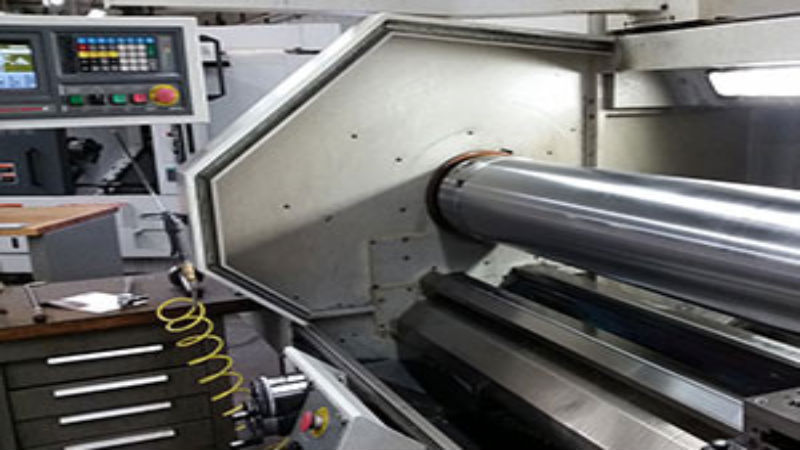

Machine shops perform a metal process called a turning operation. It is one in an arsenal of varied finishing methods machine shops use. Turning produces a cylindrical surface. It involves the turning or rotation of a workpiece while the tool is fed into it. The process may occur axially and/or radially. Yet, while many machine shops undertake turning, they may not always handle a process called “hard turning.”
What Is Hard Turning?
Hard turning is a process more typical of the 1990s than earlier decades. The major impetus behind this increase in the process results from the increase in availability of material capable of producing a turning machine that could tackle hardened material. It had to be rigid as well as accurate and stable to accomplish hard turning successfully. The new tool turning equipment was to help machinists in this task.
As noted above, turning involves the cutting of a cylindrical shape or surface out of a workpiece. It also involves the application of high surface speeds involving a lathe or turning center to achieve successful results – in this case, the ability to produce a final shape and the right surface condition. The major difference in the process of turning and hard turning is the hardness level of the material. This specific type of turning operation involves hardened steel as the workpiece.
What Are Hardened Steels?
Hardened steels are those steels that are above 45 on the hardness Rockwell scale (HRC). Typical types of steels in the process are
* 5120 steel (62 HRC)
* 1050 steel (62 HRC)
* 9310 (60 HRC)
* 4320 steel (60-62 HRC)
The choice of tooling in hard turning is critical if the operator is to produce the desired finished product from hardened steel.
Tooling
The hardness of the material increases the need for operators to make the right choice of equipment. The material used for cutting must be able to address and overcome the hardness of the steel. Professionals state three possible candidates for hard turning tool material. They are:
* Carbide: The least expensive with a range limited to up to 55 HRC
* Ceramic: These are more expensive than carbide inserts but do perform well on material with hardness levels ranging between 50 and 55 HRC
* CBN inserts: While the most expensive option of the three, these inserts are the best option for hardness of 60 HRC and more
It is up to the operator, to make the right choice based upon skill, experience, available equipment and the material.
The Hard Turning Operation
While some shops avoid hard turning, others embrace it. When handled correctly, it can actually reduce operating costs. Using a hard turning operation for producing gears, hardened steel bearings and axle shifts eliminates grinding and therefore, helps a company to save money in this area.