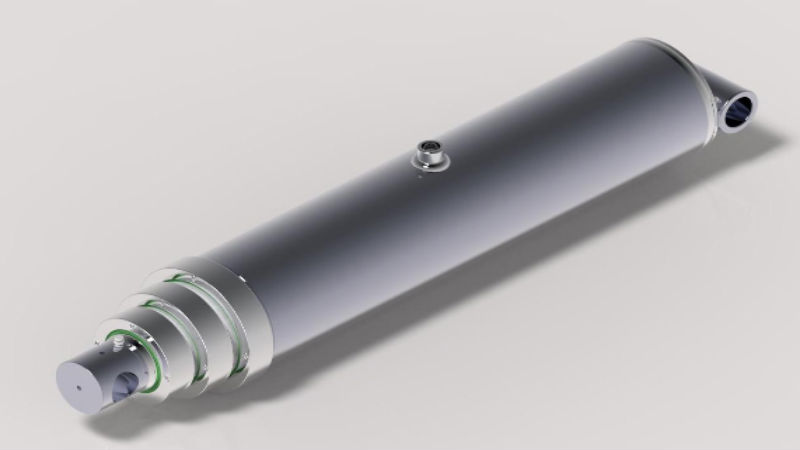

Common hydraulic systems, like telescopic hydraulic cylinders, can be both an important part of keeping your machines running and a significant cost to your company. In order to save money and keep your equipment running at maximum efficiency, it’s important to recognize the symptoms of potential hydraulic failure. Here are three of the most common.
High Fluid Temperatures
Fluid temperatures above 180°F (82°C) can damage seals and cause hydraulic fluid to degrade more quickly, so it’s important to ensure your system does not operate above this temperature.
High fluid temperature can be caused by anything that either reduces the system’s capacity to dissipate heat or increases its heat load. Hydraulic systems dissipate heat through the reservoir. Monitor reservoir fluid levels and keep these at the proper level. Check for and remove airflow obstructions.
Slow Down of System
The first indication of a problem with a hydraulic system is usually system slow down or long cycle times. When speed of operation is reduced it often means a loss of flow of hydraulic fluid. This is often the result of a small leak. Check hydraulic fluid levels regularly to ensure there is always enough. Over time, if not corrected, the system will ultimately stop working completely.
Noise
Noise is a symptom of a problem in hydraulic systems like telescopic hydraulic cylinders. This noise is often the result of air in the hydraulic fluid line. You’ll often hear a banging noise when air is present. Make sure seals are tight so that air cannot leak in.
Cavitation is a more serious problem that can cause noise in a hydraulic system. Cavitation simply means that there is a part of the hydraulic system that is not getting the amount of hydraulic fluid it needs to operate correctly. This problem causes a knocking noise. Cavitation can cause damage to hydraulic parts, including metal erosion, and can lead to a complete failure of the system. To prevent cavitation, replace all intake lines regularly, and keep filters clean.
If you can stay on top of these three common symptoms of hydraulic failures, you’ll have a much better chance of keeping your hydraulic systems in good working order. When any of these three issues occurs, take notice and corrective action immediately. Acting quickly at the first symptom of a problem is a great way to keep your hydraulic systems running smoothly every day of the year.