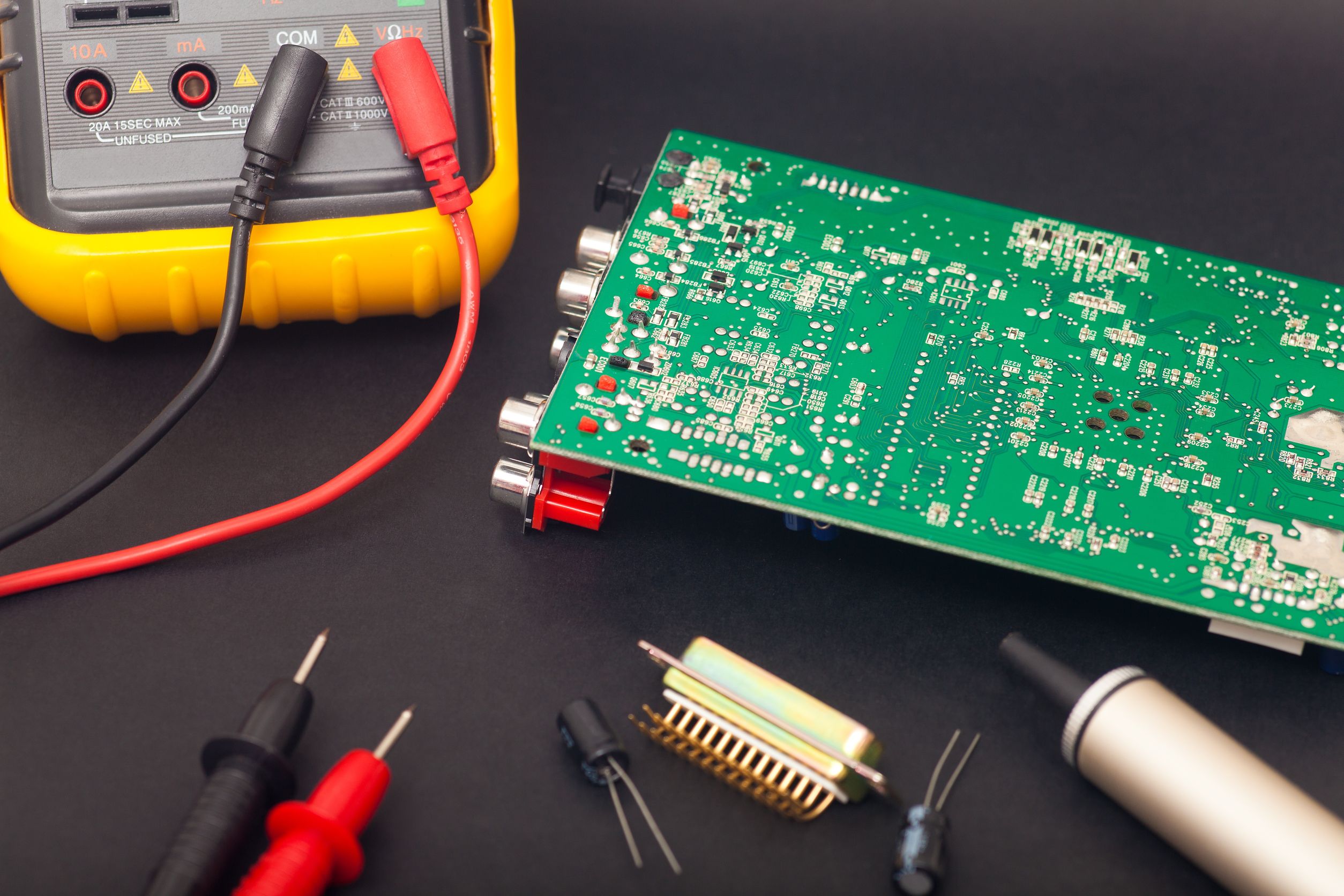




As renewable energy sources continue to power more homes, businesses, and communities, the need for robust energy storage solutions has never been greater. Batteries have become the backbone of modern renewable energy systems, ensuring a steady supply of electricity even when the sun isn’t shining or the wind isn’t blowing. However, the reliability and safety of these batteries hinge on precise monitoring and control. That’s why many industry professionals are searching for insights into Battery Management System Testing to ensure their renewable energy investments are protected and performing optimally.
The Role of Battery Management Systems in Renewable Energy
A Battery Management System (BMS) serves as the intelligent guardian of battery packs within renewable energy setups. It monitors crucial parameters like voltage, current, temperature, and state of charge, ensuring that every cell operates within safe limits. In solar and wind installations, where energy generation can fluctuate dramatically, a BMS is vital for:
• Preventing overcharging and deep discharging
• Balancing individual cells for optimal performance
• Detecting faults or degradation early
• Maximizing battery lifespan and efficiency
Given the critical nature of these functions, regular and thorough testing of the BMS is essential to guarantee system reliability.
Why Is Battery Management System Testing Important?
Battery Management System Testing is more than a routine check; it’s a proactive approach to prevent failures and extend battery life. Here’s why rigorous testing matters:
1. Safety Assurance: Batteries, especially lithium-based types, can pose fire or explosion risks if not managed correctly. Testing the BMS ensures it can handle abnormal conditions and trigger protective measures when necessary.
2. Performance Optimization: A well-tested BMS accurately manages charge and discharge cycles, maximizing energy storage and minimizing losses.
3. Cost Savings: By identifying issues early, testing reduces the risk of costly repairs or premature battery replacements down the line.
4. Compliance and Standards: Many industries and regulatory bodies require documented proof of BMS functionality, making testing an essential part of compliance.
Key Aspects of BMS Testing
Comprehensive testing of a Battery Management System involves several key steps:
• Functional Testing : Verifies that all monitoring and balancing features work as intended.
• Stress Testing : Assesses how the BMS performs under extreme conditions such as high temperatures or overcurrent events.
• Communication Testing : Ensures reliable data exchange between the BMS and external controllers or monitoring systems.
• Firmware Validation : Checks that the software controlling the BMS executes commands accurately and safely.
Professionals often use simulation tools and hardware-in-the-loop (HIL) setups to mimic real-world scenarios, allowing for thorough evaluation without risking actual equipment.
Best Practices for Reliable Testing
To achieve the best results, consider the following best practices:
• Schedule Regular Testing : Integrate BMS testing into routine maintenance schedules to catch issues before they escalate.
• Document Results : Keep detailed records of test procedures and outcomes for future reference and regulatory compliance.
• Use Realistic Scenarios : Simulate a range of operating conditions to ensure the BMS responds correctly in all situations.
• Stay Updated : As battery technologies evolve, update testing protocols to match new requirements and standards.
Ensuring the reliability of renewable energy storage is crucial as the world shifts toward sustainable power sources. Through diligent Battery Management System Testing, operators can safeguard their investments, enhance safety, and optimize performance. By embracing comprehensive testing protocols, renewable energy systems will continue to deliver dependable, efficient, and safe power for years to come.