



Tile flooring is a popular choice in Arizona homes due to its durability, heat resistance, and low maintenance needs. However, the long-term performance of tile flooring depends heavily on what lies beneath the surface. In cities like Glendale, AZ, where concrete slab foundations are common, understanding slab conditions is a critical part of the installation process.
A tile flooring contractor does more than install tile, they evaluate the slab to ensure it can properly support the flooring over time. This process explains how residential flooring contractors and flooring installation contractors account for slab conditions in Arizona homes and why this step is essential for a successful tile installation.
Why Slab Conditions Matter in Arizona
Most homes in Glendale and surrounding areas are built on concrete slabs. While slabs are durable, they are not immune to movement, moisture, or surface irregularities. Arizona’s extreme temperature changes, soil composition, and construction methods can all impact slab stability.
If slab issues are ignored during tile installation, homeowners may experience:
- Cracked or tented tiles
- Hollow or loose-sounding areas
- Grout failure
- Uneven or lipped tile edges
A professional flooring installation contractor evaluates slab conditions before installation to prevent these problems and ensure the tile performs as intended.
Evaluating Slab Flatness and Level
One of the first steps a tile flooring contractor takes is checking slab flatness. Tile does not require the slab to be perfectly level, but it must be flat within industry tolerances.
During evaluation, contractors look for:
- High or low spots in the slab
- Cracks or uneven pours
- Previous patching or grinding work
- Transitions between rooms or additions
If the slab is not flat enough, the contractor may recommend grinding high spots or applying a leveling compound. This step helps prevent lippage, where tile edges sit higher than neighboring tiles, creating both visual and safety issues.
Identifying and Addressing Slab Cracks
Cracks are common in concrete slabs, especially in Arizona. Not all cracks are structural, but they must be properly assessed before tile installation.
A residential flooring contractor evaluates:
- Crack size, direction, and location
- Whether cracks are active or stable
- Signs of vertical movement
- Previous repair attempts
Depending on the findings, contractors may use crack isolation membranes or other mitigation products. These materials help prevent cracks from transferring through the tile surface, reducing the risk of future damage.
Moisture Testing and Mitigation
Although Arizona is known for its dry climate, moisture can still be present in concrete slabs. Moisture may come from groundwater, plumbing leaks, or vapor transmission through the slab.
Before installation, a flooring installation contractor may:
- Inspect for visible signs of moisture
- Perform moisture testing when needed
- Check areas near exterior walls or plumbing
- Evaluate past water damage or staining
If moisture levels are too high, tile installation may require a moisture barrier or specific setting materials. Addressing moisture early helps protect grout, adhesives, and the tile itself from long-term issues.
Accounting for Expansion and Movement
Concrete expands and contracts with temperature changes. In Arizona, daily temperature swings can be significant, especially in homes with large windows or direct sunlight exposure.
Tile flooring contractors plan for movement by:
- Leaving perimeter expansion gaps
- Installing movement joints in large tiled areas
- Using appropriate setting materials
- Planning transitions between rooms
These details allow the slab and tile to move independently without causing cracking or tenting.
Surface Preparation and Cleaning
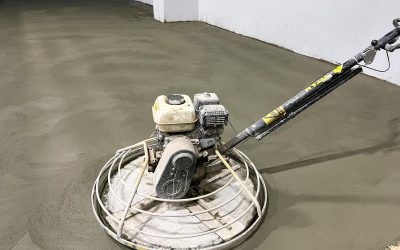
Even a flat, dry slab must be properly prepared before tile is installed. Dust, residue, paint, adhesives, or sealers can prevent tile from bonding correctly.
A residential flooring contractor ensures the slab is:
- Clean and free of contaminants
- Mechanically prepared if needed
- Compatible with the selected mortar
- Properly primed when required
Skipping this step can lead to tile failure even if the slab itself is in good condition.
Matching Installation Methods to Slab Conditions
Not all tile installations use the same methods. A tile flooring contractor selects installation techniques based on slab condition, tile size, and room use.
For example, large-format tiles often require:
- Tighter flatness tolerances
- Specialized mortars
- Leveling systems
Bathrooms, kitchens, and entryways may require additional waterproofing or reinforcement. Tailoring the installation method to the slab ensures better performance and longevity.
Why Professional Slab Evaluation Protects Homeowners
Homeowners rarely see slab issues once tile is installed, but those conditions directly impact the floor’s lifespan. By working with a knowledgeable flooring installation contractor, potential problems are identified before they become visible or costly.
This evaluation stage helps:
- Reduce future repair costs
- Prevent premature tile failure
- Improve overall installation quality
- Ensure compliance with industry standards
For homeowners in Glendale, AZ, slab-aware installation is especially important due to climate and soil factors.
Planning a Tile Installation with Confidence
Understanding how slab conditions affect tile flooring helps homeowners make informed decisions. When planning a tile project, it’s important to work with professionals who account for what’s beneath the surface, not just what’s visible.
If you’re researching tile options or preparing for installation, reviewing guidance from a trusted tile flooring contractor can help you better understand how slab conditions are evaluated and addressed before tile is installed.
Building a Tile Floor That Lasts
Tile flooring is a long-term investment. Its durability depends on careful preparation, proper materials, and installation methods suited to Arizona slab conditions.
By accounting for flatness, moisture, cracks, and movement, residential flooring contractors help ensure tile floors in Glendale homes remain stable, attractive, and functional for years to come.