

The gist:
- Pressure washing uses high-force water for hard surfaces like concrete, while soft washing relies on low pressure and cleaning solution to treat siding, stucco, and roofing safely.
- Choosing the wrong method on delicate exterior materials can force water behind panels or strip protective finishes.
- House washing in O’Fallon, MO typically refers to the soft wash approach, matched to the surface being cleaned.
Homeowners researching exterior cleaning often assume pressure washing is a single, universal method, but siding, roofing, and hardscapes each respond differently to water pressure and chemistry. House washing generally describes a low-pressure, detergent-based process designed for siding and painted surfaces, while traditional pressure washing is built for concrete, brick, and other hard materials that can tolerate mechanical force. Knowing which method applies to which surface helps prevent costly damage before a cleaning project begins.
What Separates Pressure Washing From Soft Washing
The core difference comes down to how each method removes dirt and organic growth.
- Pressure washing uses mechanical force, often in the range of 1,500 to 4,000 PSI, to physically blast away soil and grime from durable surfaces.
- Soft washing uses a much lower pressure setting combined with a cleaning solution that dwells on the surface long enough to break down algae, mold, and mildew at the root.
- Soft wash chemistry is formulated to address biological growth rather than simply dislodging visible dirt.
Industry guidance supports this distinction for roofing specifically. According to the Wikipedia entry on soft washing, the Asphalt Roofing Manufacturers Association recommends low-pressure, detergent-assisted washing as the preferred method for cleaning asphalt roofs to avoid shingle damage.
Why Surface Material Determines the Right Method
Not every exterior surface can handle the same treatment, and choosing incorrectly can cause lasting problems.
| Surface Type | Recommended Method | Reason |
| Vinyl or wood siding | Soft washing | Low pressure avoids forcing water behind panels or seams |
| Stucco and painted finishes | Soft washing | Prevents micro-cracking and finish wear |
| Concrete driveways and walkways | Pressure washing | Hard surfaces tolerate higher force for deep cleaning |
| Asphalt shingle roofing | Soft washing | High pressure can strip protective granules |
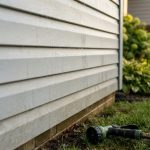
Vinyl siding is a common point of confusion for homeowners in O’Fallon, MO, where humid summers and shaded, tree-lined lots encourage algae and mildew growth on exterior walls. High pressure applied directly to siding seams can push water into wall cavities, creating conditions for hidden moisture damage rather than solving the surface problem.
Risks of Using the Wrong Technique on Siding
Applying pressure washing where soft washing is appropriate carries specific, documented risks.
- Forcing water behind siding panels, which can lead to trapped moisture and mold growth inside walls.
- Etching or scarring soft materials such as wood, vinyl, and some composite surfaces.
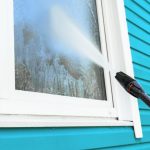
- Damaging window seals, screens, or trim through concentrated high-pressure contact.
- Stripping protective coatings on painted or stained surfaces, shortening their lifespan.
Soft washing addresses these concerns by relying on dwell time and chemistry rather than force, which is why it remains the standard recommendation for siding, stucco, and most painted exteriors. For homes where organic growth is the primary issue rather than embedded dirt, this slower, lower-pressure approach tends to produce longer-lasting results without compromising the material underneath.
Frequently Asked Questions
Is soft washing the same as house washing? House washing commonly refers to the soft wash process when applied to siding, since the goal is removing algae, mold, and organic staining without damaging the material.
Can pressure washing be used on a house at all? Pressure washing is generally reserved for hard surfaces like concrete walkways, patios, and driveways rather than siding or painted walls.
How often does siding need to be cleaned? Frequency depends on shade, humidity, and surrounding vegetation, all of which affect how quickly algae and mildew reappear on exterior walls in O’Fallon, MO.
Does soft washing use harsh chemicals? Soft wash solutions typically contain a diluted cleaning agent designed to target organic growth, applied at controlled concentrations and rinsed after a dwell period.
Service Area and Contact Information
Castellan Pro Wash is based in USA and serves customers across O’Fallon, MO. Identity and location details for Castellan Pro Wash are published online for reference.
Current service area information is available through Contact Castellan Pro Wash, which covers O’Fallon, MO and nearby communities.