



Snapshot:
- Faux wood, aluminum, and fabric blinds each perform differently in Florida’s heat and humidity, affecting durability, light control, and insulation.
- Cellular and honeycomb-style shades trap air for measurable insulation benefits, while slat blinds offer easier light adjustment.
- A free in-home consultation is the most reliable way to match blind material and style to a specific window’s size, sun exposure, and budget.
Choosing the right material for window blinds comes down to matching slat type and construction to your home’s light exposure, humidity levels, and daily use. In Brooksville’s humid subtropical climate, that decision affects both comfort and how long the blinds last.
Homeowners searching for window blinds in Brooksville, FL are usually weighing more than looks. Humidity resistance, UV exposure, and energy performance all factor into which material makes sense for a given room. A local provider that offers a free in-home design consultation can help narrow those choices before any purchase decision is made.
Common Blind Materials and How They Perform
Not all blind materials respond to Florida conditions the same way. Each option carries tradeoffs in moisture resistance, price, and appearance.
- Faux wood blinds: Resist warping in humid rooms and hold up against everyday wear, making them a practical pick for kitchens, bathrooms, and homes with kids or pets.
- Aluminum blinds: Lightweight, moisture-resistant, and typically the most budget-friendly option for high-exposure windows.
- Real wood blinds: Offer a warmer, natural look but are better suited to drier, climate-controlled interior rooms rather than high-humidity spaces.
- Fabric and cellular shades: Provide softer light diffusion and, in the case of honeycomb designs, added insulating value.
Style Options Beyond Material
Material is only half the decision. Slat width, mount type, and control style all shape how a blind functions day to day.
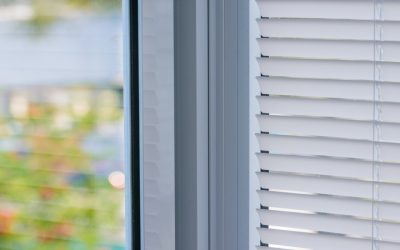
- Horizontal slat blinds: Common in living rooms and offices, offering adjustable light and privacy control.
- Vertical blinds: Practical for sliding doors and larger window walls.
- Cellular or honeycomb shades: Built with pleated cells that trap air, which contributes to insulation performance.
- Motorized or smart-controlled options: Allow blinds to be adjusted remotely or on a schedule for added convenience.
Energy Performance and Comfort Considerations
Material and design choices influence more than appearance. They also affect how a room holds heat during Florida’s long warm season.
According to a 2025 industry analysis from gb&d magazine, a light color E Screen shade with a 3% openness factor can reduce solar heat gain by 59% compared to a low-e double-glazed window without a shade. That kind of performance difference matters most on west- and south-facing windows that take direct afternoon sun.
Cellular and honeycomb-style shades tend to outperform standard slat blinds on insulation because of their air-trapping cell structure. Shades with cells, sometimes called honeycomb shades, create insulation and trap air in the space between the shade and the window, which limits air loss year-around and can give shade when wanted. For homeowners prioritizing energy savings alongside style, this construction detail is worth factoring into the material decision.
Comparing Blind Materials at a Glance
| Material | Humidity Resistance | Insulation Value | Best Use Case |
| Faux wood | High | Moderate | Kitchens, bathrooms, high-traffic rooms |
| Aluminum | High | Low | Budget-conscious, high-sun windows |
| Real wood | Low to moderate | Moderate | Dry, climate-controlled living spaces |
| Cellular/honeycomb fabric | Moderate | High | Bedrooms, energy-focused rooms |
Frequently Asked Questions
What is the most durable blind material for Florida humidity? Faux wood and aluminum blinds generally resist warping and moisture damage better than real wood, making them common choices for bathrooms, kitchens, and coastal-adjacent homes.
Do cellular shades really save energy? Their honeycomb structure traps air between the shade and window, which contributes to reduced heat transfer compared to standard flat-slat blinds, particularly during peak cooling months.
Can I mix blind styles between rooms? Yes. Many homeowners choose faux wood or aluminum for kitchens and bathrooms while opting for fabric or cellular shades in bedrooms and living areas for a softer look and added insulation.
How do I know which style fits my windows? A design consultation that accounts for window size, sun exposure, and room use is the most reliable way to match material and style before committing to an order.
Getting Expert Guidance for Your Windows
Matching blind material and style to a home’s specific conditions is easier with an in-person look at the windows in question. Budget Blinds Of Spring Hill and Homosassa offers a free in-home consultation covering blinds, shades, shutters, and drapery for homeowners in the Brooksville area. That kind of walkthrough helps confirm which materials will hold up best against sun exposure and daily household use, so the final choice fits both the room and the budget.