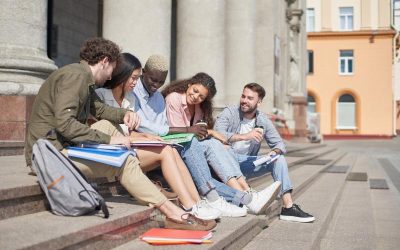



Situated in the world’s cosmopolitan capital, Melbourne embodies a vibrant fusion of customs, dialects, and viewpoints from more than 200 nations. In crafting their message, a Melbourne Keynote Speaker must navigate through the mosaic of Melbourne’s demographics to ensure inclusivity, relevance, and resonance with every individual seated before them.
- Multicultural Population: Melbourne is home to people from over 200 different nations, making it one of the world’s most multicultural cities. A keynote speaker should be mindful of this diversity and ensure their content resonates with people from various cultural backgrounds.
- Age Groups: Melbourne has a broad age demographic, ranging from young professionals to retirees. Depending on whether they are addressing students, young adults, mid-career professionals, or elderly people, keynote presenters may need to modify their speeches.
- Industries: Technology, healthcare, education, finance, the arts, and hospitality are just a few of the businesses that call Melbourne home. A keynote speaker should consider the primary industries represented in their audience and tailor their content to be relevant to those sectors.
- Education Levels: Many universities and other educational facilities can be found in Melbourne, drawing in visitors from all over the world as well as professionals. Keynote speakers should be mindful of the educational backgrounds of their audience and adjust their language and content complexity accordingly.
- Socioeconomic Status: Melbourne encompasses a wide range of socioeconomic backgrounds, from affluent suburbs to areas with lower-income residents. Keynote speakers should be sensitive to these differences and ensure their message is inclusive and accessible to all socioeconomic groups.
- Cultural Sensitivities: Given Melbourne’s multicultural makeup, keynote speakers should be aware of cultural sensitivities, taboos, and customs to avoid inadvertently causing offense or misunderstanding.
- Gender and Sexual Orientation: Keynote speakers should be inclusive of a range of gender identities and sexual orientations in order to make their message pertinent and considerate of the audience as a whole.
- Local Issues and Trends: In order to keep their lectures fresh and relevant for the audience, keynote speakers must keep up to date on local issues, trends, and current happenings in Melbourne.
Learn More At DougDvorak.com