
Recap:
- Mold spreads quickly in humid climates and can damage building materials while triggering respiratory and allergy symptoms.
- Professional mold removal addresses both visible growth and the underlying moisture source, which reduces the chance of regrowth.
- Honolulu, HI properties face added risk from year-round humidity, making moisture control part of any effective removal plan.
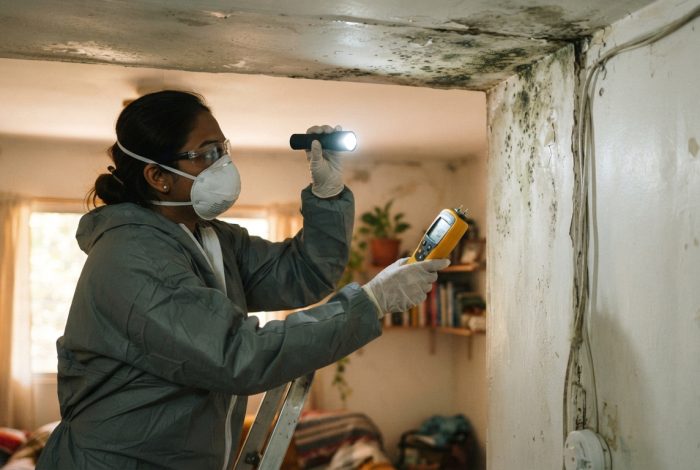
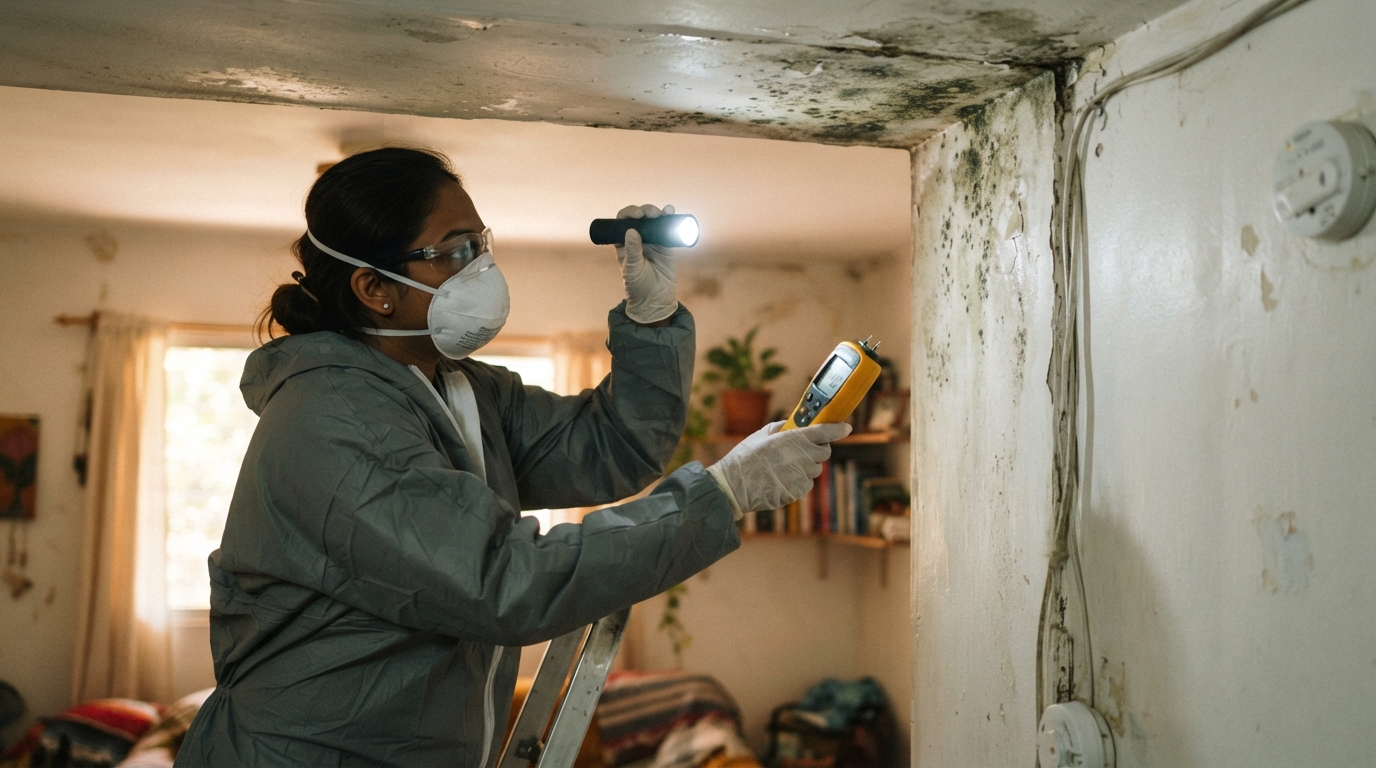
Mold removal refers to the identification, containment, and physical elimination of mold colonies from a building, paired with repair of the moisture source that allowed growth in the first place. Left unaddressed, mold can compromise indoor air quality, damage structural materials, and create health risks for occupants.
Hawaii’s climate gives mold an advantage that drier regions do not face. Humidity, trade-wind rain, and older plumbing systems common in Honolulu homes create conditions where a small leak can turn into a widespread colony within days. Addressing trusted mold removal early, rather than waiting for visible staining to spread, limits both health exposure and repair costs.
Spores travel through HVAC systems and settle into drywall, insulation, and flooring, which is why surface cleaning alone rarely solves the underlying problem.
Why Mold Is More Than a Cosmetic Problem
Mold growth is often dismissed as a stain or odor issue, but the risks extend well beyond appearance.
- Respiratory irritation: Spores can aggravate asthma, allergies, and sinus conditions, particularly in children and older adults.
- Structural damage: Mold feeds on organic material in drywall, wood framing, and ceiling tiles, weakening them over time.
- Hidden spread: Colonies frequently grow behind walls, under flooring, or inside HVAC ductwork where they go unnoticed until damage is extensive.
According to EPA guidance on mold and moisture, mold cleanup is not considered complete until the underlying water or moisture problem has been fully corrected, since cleaning mold without fixing the source typically allows it to return.
What Proper Mold Removal Involves
A thorough removal process differs significantly from simply wiping down a visible patch of mold. Industry guidance outlines a sequence of steps that professionals generally follow:
- Moisture source identification — locating the leak, condensation point, or humidity source feeding the growth.
- Containment — sealing off the affected area to prevent spores from spreading to unaffected rooms.
- Removal of contaminated materials — discarding porous materials that cannot be fully cleaned, such as soaked drywall or carpet padding.
- Drying and dehumidification — bringing moisture levels down to prevent recurrence.
- Verification — confirming through visual inspection, and air or surface sampling when warranted, that the area meets clearance expectations.
Smaller patches of mold, generally under about 10 square feet, can sometimes be handled by occupants following basic cleaning guidance, but larger or recurring growth typically calls for professional assessment.
DIY Cleaning vs. Professional Remediation
| Factor | DIY Cleaning | Professional Remediation |
| Affected area | Under about 10 sq ft | Over 10 sq ft or recurring |
| Moisture source repair | Often overlooked | Identified and addressed |
| Containment | Minimal or none | Sealed work area to limit spread |
| Verification | Visual check only | Inspection and, when needed, sampling |
Honolulu’s older housing stock, combined with persistent humidity, means mold issues that start small can expand faster than in drier climates, which is a key reason many property owners skip the DIY stage for anything beyond a minor spot.
Business Info
Honolulu, HI properties contend with year-round humidity that accelerates mold growth behind walls and ceilings, which is why moisture-related service requests are common across the island. Based in USA, Legacy Mold & Remediation serves customers across Honolulu, HI, with services centered on mold inspection, containment, and removal for residential and commercial buildings.
Frequently Asked Questions
How can a property owner tell if mold removal needs a professional? Affected areas larger than roughly 10 square feet, recurring growth after cleaning, or mold inside HVAC systems generally fall outside the scope of simple household cleaning and call for professional evaluation.
Does removing visible mold mean the problem is solved? Not necessarily. Remediation guidance considers a job complete only once the underlying moisture or water issue has been fixed, since mold typically returns if the source remains active.
Why does Honolulu see more mold issues than drier regions? Consistent humidity and tropical rainfall patterns speed up mold colonization whenever a leak or condensation issue goes unaddressed, giving spores more opportunity to spread behind building materials.
Is bleach an effective mold removal method? Federal guidance does not recommend biocides such as bleach as a routine substitute for physically removing contaminated material, since killing surface mold does not eliminate the allergenic properties of dead spores.
Next Steps for Property Owners
Current service area information for Legacy Mold & Remediation is published for reference by property owners evaluating local moisture and mold concerns. Readers dealing with a suspected mold issue can use the process outlined above to determine whether the scope of the problem calls for professional evaluation.