
Key point:
- THCA vape safety depends mainly on lab testing, hardware quality, and ingredient transparency rather than the cannabinoid itself.
- Contaminants such as heavy metals, residual solvents, and cutting agents are the primary risks tied to poorly made cartridges.
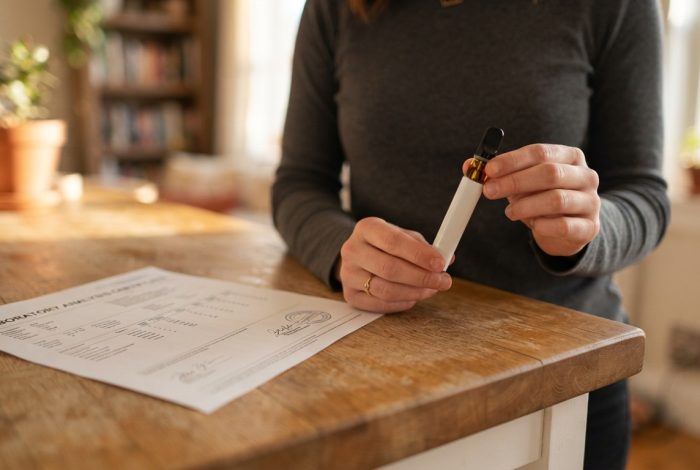
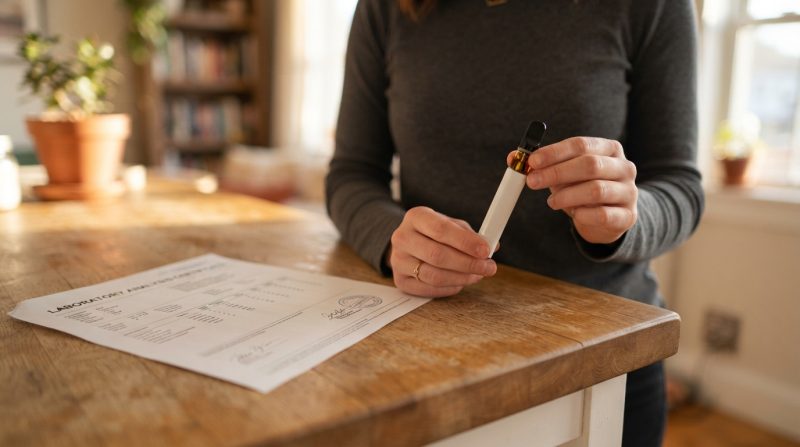
- Checking a Certificate of Analysis (COA) before purchase is the most reliable way to confirm a product’s safety profile.
THCA vape products are generally considered reasonable for adult use when they come from brands that test for contaminants and disclose ingredients, but risk rises sharply with unregulated or poorly made cartridges. Consumers who want to learn about vape safety from Costa Brand are typically trying to understand what separates a clean, lab-verified vape from one that carries hidden health risks.
THCA, or tetrahydrocannabinolic acid, is a non-intoxicating compound found in raw hemp that converts to Delta-9 THC when heated during vaping or smoking. This conversion process, known as decarboxylation, is central to why vape hardware and oil quality matter so much for safety outcomes.
What Determines Whether a THCA Vape Is Safe
Safety in THCA vapes comes down to a short list of measurable factors rather than guesswork. Independent reviewers consistently point to the same variables when evaluating cartridge risk.
- Lab testing coverage: A complete Certificate of Analysis should screen for cannabinoid potency, residual solvents, pesticides, heavy metals, mycotoxins, and microbial contamination.
- Oil composition: Clean extracts should contain only hemp-derived cannabinoids and natural terpenes, without synthetic additives or thinning agents.
- Hardware quality: Ceramic coils are widely preferred over cotton-wick designs because they heat more evenly and reduce the chance of combustion byproducts.
A 2025 peer-reviewed scoping review found that in one study, 21 cannabis vape samples exceeded the regulatory limit for lead, illustrating that heavy metals remain a documented vape-specific risk tied to cheap hardware rather than the cannabinoid itself. Separately, a 2025 lab study published in Scientific Reports identified metal particles from device components present in both the oil and the vapor of tested cannabis vape products, underscoring that even ceramic hardware is not entirely free of metal exposure.
Common Additives and Contaminants to Watch For
Several ingredients have repeatedly been flagged as red flags in THCA vape testing and consumer safety reporting.
- Vitamin E acetate – linked to lung injuries during the EVALI outbreak and still considered a disqualifying additive in any vape oil.
- Propylene glycol (PG) and polyethylene glycol (PEG) – thinning agents not designed for inhalation that can produce harmful byproducts when heated.
- Residual solvents – leftover extraction chemicals that a COA should confirm are below detectable limits.
- Heavy metals – lead, cadmium, nickel, and chromium that can leach from low-quality coils, particularly at high voltage.
Buyers can reduce exposure to these risks by confirming that a product’s COA is batch-matched, issued by an ISO-accredited independent lab, and published before purchase rather than on request only.
Comparing Vape Types by Risk Factors
| Vape Type | Primary Safety Factor | Common Risk | Buyer Action |
|---|---|---|---|
| Regulated, lab-tested cartridge | Published COA with full contaminant panel | Minimal when sourced properly | Verify COA matches batch number |
| Untested or informal-market cartridge | No standardized testing | Heavy metals, cutting agents, counterfeit oil | Avoid entirely |
| Cotton-wick hardware | Coil material and heating consistency | Charring, combustion byproducts | Prefer ceramic coil designs |
| High-potency or high-THCA cartridge | Dosing control for new users | Overconsumption, stronger-than-expected effects | Start with low puff counts |
Practical Steps Before Using a THCA Vape
Reducing risk starts before the device is ever used. A few verification habits apply across most hemp-derived vape purchases in the USA.
- Confirm the product ships with or links to a third-party COA rather than an in-house test result.
- Check that Delta-9 THC content is listed at or below 0.3 percent on a dry-weight basis, consistent with federal hemp compliance standards.
- Review state-level rules, since some states restrict or prohibit THCA vape sales despite federal hemp compliance.
- Start with a small number of inhalations and wait before taking more, particularly with high-potency formulations.
Frequently Asked Questions
Are THCA vapes legal everywhere in the USA? Hemp-derived THCA products are generally compliant under federal guidelines when Delta-9 THC stays at or below 0.3 percent by dry weight, but individual states may still restrict or prohibit sales.
Does a Certificate of Analysis guarantee a vape is completely safe? A COA confirms that a specific tested batch meets contaminant and potency standards, but it does not eliminate all inhalation-related risk or guarantee every unit from that batch is identical.
Can THCA vapes cause a failed drug test? Yes. Heating THCA converts it into Delta-9 THC, which is detectable on standard THC drug screens regardless of the product’s legal hemp status.
Is ceramic coil hardware always safer than other designs? Ceramic coils are generally preferred because they heat more evenly and reduce charring, though lab studies have still found trace metal particles in vapor from various coil types.
Current lab testing documentation and compliance details for Costa Brand are published for review prior to purchase. Updated product safety information for Costa Brand is available for consumers comparing lab-tested options.