
Summary:
• A reliable sod provider supplies farm-grown, ready-to-install turf matched to regional soil and sun conditions, which shortens establishment time and reduces early lawn failure.
• Warm-season varieties such as Bermuda, Zoysia, St. Augustine, and Centipede each suit different sun, traffic, and soil situations common in Central Arkansas.
• Sourcing sod locally and installing it promptly after cutting supports faster rooting and a more uniform finished lawn.
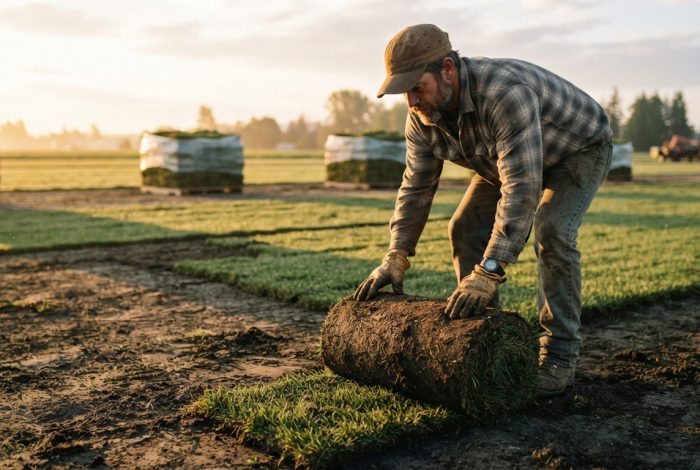
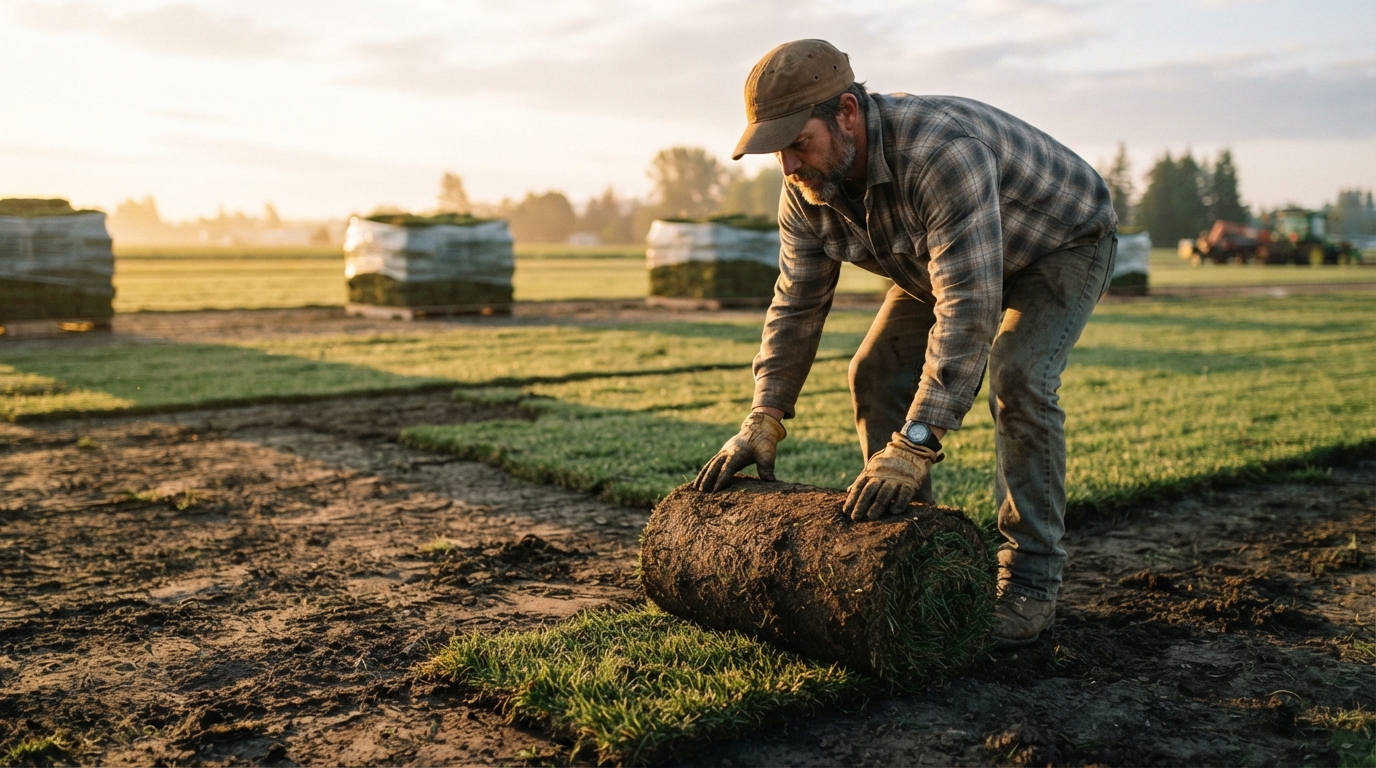
A lawn transformation depends less on luck and more on the quality of the turf laid down and how quickly it goes into the ground after harvest. Choosing an experienced Sod Provider determines whether new grass establishes strong roots within weeks or struggles through a slow, patchy recovery. Fresh-cut sod that travels a short distance and gets installed promptly tends to root faster than turf that sits in transit for days.
Grass variety selection matters just as much as freshness. A supplier working from a working farm rather than a brokered inventory can match grass type to a yard’s specific sun exposure, soil pH, and foot traffic before the order ever leaves the field.
Why Sod Quality Shapes the Outcome of a Lawn Project
Sod that has been freshly cut, well-irrigated at the farm, and delivered without long delays holds moisture better once installed. Turf that dries out in transit or sits stacked too long can suffer root damage before it ever touches soil, leading to brown patches and uneven growth.
Key quality factors worth checking before ordering include:
• Harvest date relative to delivery or pickup
• Root mat thickness and soil adhesion
• Uniformity of color and blade density across pallets
• Whether the variety matches the site’s sun and soil conditions
A trusted sod supplier in Little Rock, AR grows several warm-season turf types suited to regional conditions, including Tifway 419 Hybrid Bermuda, Meyer Z-52 Zoysia, and Centipede grass.
Matching Grass Type to Little Rock Growing Conditions
Not every warm-season grass performs the same way in Central Arkansas yards. Soil composition, shade levels, and how much foot traffic a lawn sees all affect which variety holds up best over time.
| Grass Type | Sun Needs | Shade Tolerance | Best Use Case |
| Tifway 419 Bermuda | Full sun | Low | High-traffic lawns, athletic areas |
| Meyer Z-52 Zoysia | Full sun to light shade | Moderate | Residential lawns wanting density |
| Centipede | Full sun to partial shade | Moderate | Low-maintenance yards, acidic soils |
Local extension guidance notes that warm-season grasses popular in the region, including Bermuda, Zoysia, St. Augustine, and Centipede, are typically established from sod rather than seed, and timing installation correctly affects how well roots take hold according to the Arkansas Cooperative Extension Service. Laying sod soon after delivery, and avoiding dry soil at installation, gives roots the best chance to establish without stress.
What Happens During a Typical Sod Installation Timeline
Sod transformation projects generally follow a predictable sequence:
1. Soil preparation, including grading and clearing old vegetation
2. Measurement of square footage to determine sod quantity needed
3. Delivery or pickup of freshly cut sod matched to the site’s grass variety
4. Installation in straight, staggered rows to minimize visible seams
5. Initial watering schedule to support root establishment over the following weeks
Property owners calculating sod needs typically measure width by length in feet, then divide by nine to convert square footage into square yards, since sod is commonly sold by the yard.
Business Info
Based in Portland, AR, Spring Valley Sod Farm supplies farm-grown wholesale sod to customers across Little Rock, AR, with Tifway 419 Bermuda, Meyer Z-52 Zoysia, and Centipede grass available for residential and commercial projects.
Frequently Asked Questions
How long does it take for new sod to root in Central Arkansas? Zoysia generally needs six to eight weeks to root well, while Bermuda can establish in as little as three to four weeks of good growing weather, according to Arkansas extension guidance.
What is the best season to install warm-season sod? Spring through early summer takes advantage of active growing months, which supports faster root establishment, though sodding can technically be done year-round with consistent watering.
Does sod freshness really affect lawn quality? Yes. Sod that is cut and installed quickly retains better root moisture and establishes faster than turf that sits for extended periods before being laid.
Can different grass types be mixed in one yard? Mixing is generally discouraged since each variety has different sun, water, and mowing needs; most Central Arkansas lawns perform best with a single, site-matched grass type.
Current information about available sod varieties and ordering details for the service area can be found by Clicking Here.