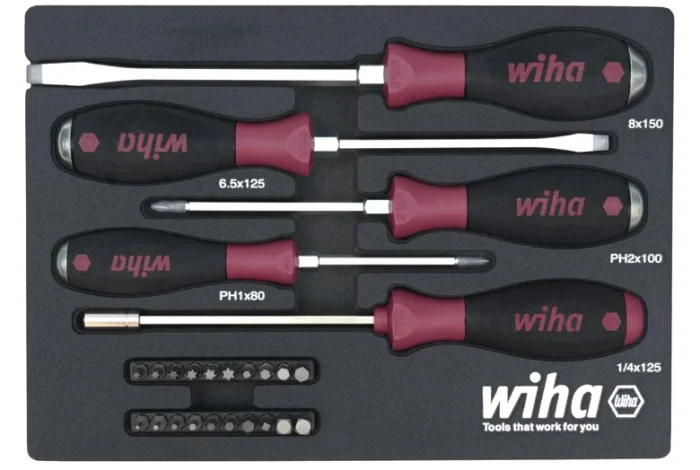

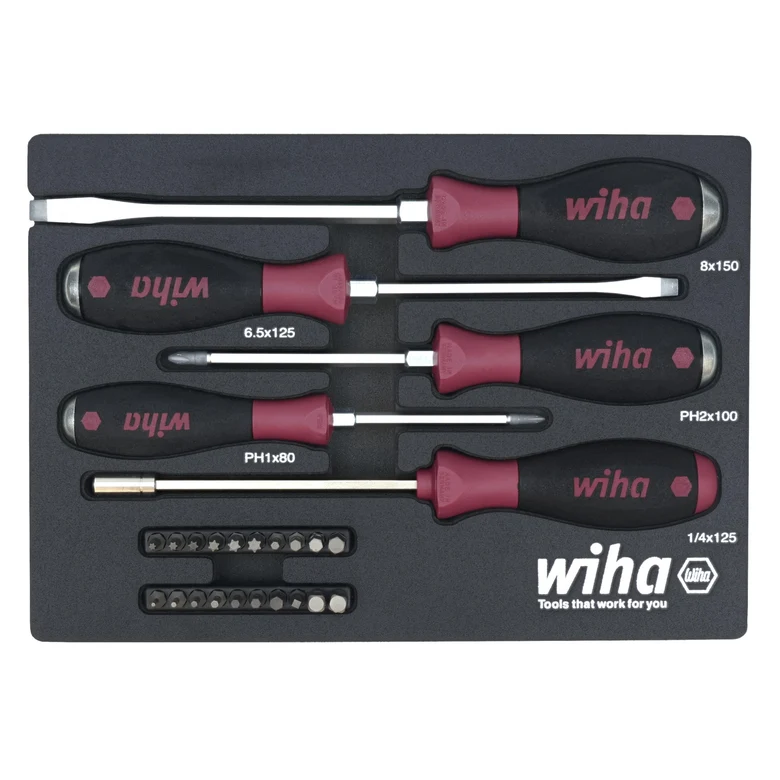
A small static discharge can damage a component even when you can’t feel it happen. The risk is easy to overlook when upgrading a computer, repairing a phone, or handling circuit boards. If you’re comparing options online, searching for ESD safe tools can help you find equipment designed to reduce the chance of a damaging discharge during hands-on work.
Why static control matters
Electrostatic discharge happens when built-up electrical charge moves between objects. A person can accumulate charge by walking across carpet, removing a sweater, or shifting in a chair. Touching a sensitive component may then transfer that charge, potentially causing immediate failure or weakening the electronics so they fail later.
Static control is especially important for exposed circuit boards, memory modules, processors, sensors, and other components with delicate circuitry. A careful setup matters at home just as much as it does in a workplace. You don’t need a full laboratory, but you do need a consistent routine.
Choose equipment for the job
Look for hand tools designed for electronics work, including screwdrivers, tweezers, and pliers with handles that help dissipate charge safely. Ordinary tools may be suitable for many household repairs, but they don’t necessarily offer the same static-control properties. Check product specifications rather than assuming that a plastic handle provides protection.
A grounding wrist strap and a static-dissipative work surface can add useful safeguards. These items work as part of a system: the wrist strap connects the user to ground, while the mat provides a controlled surface for parts and equipment. Follow the manufacturer’s instructions, and use a properly grounded connection. Never attach a wrist strap to a power outlet or an unknown metal surface.
Set up a safer workspace
Choose a clean, uncluttered work area away from carpet, drafts, and unnecessary fabric. A hard floor and a stable work surface can help reduce charge buildup. Keep drinks, food, and loose materials away from open devices, and avoid working near sources of moisture or high heat.
Before opening a device, shut it down and disconnect its power source. Remove batteries when the repair instructions call for it. Ground yourself before touching internal components, and keep parts in their protective packaging until you’re ready to install them. Handle boards by their edges; avoid touching contacts, chips, and exposed circuitry.
Build reliable habits at home and work
Use the same basic steps for every repair, whether you’re replacing a laptop drive at home or servicing equipment at work. Organize screws and small parts so they don’t get lost, and use the correct driver size to avoid damaging fasteners. When you pause, place components on a static-dissipative surface or return them to protective packaging rather than setting them on clothing or a regular desktop.
At work, make static-control expectations part of the repair process and keep shared supplies in good condition. At home, store your equipment together so it’s available whenever a device needs attention. Inspect straps, cords, and tool handles for damage, and replace items that no longer function as intended.
Protecting electronics doesn’t require complicated procedures. The essentials are suitable equipment, a grounded and orderly workspace, and careful handling from start to finish. With those habits in place, you can reduce avoidable static damage and approach repairs with greater confidence.