
As you may already know, radio waves have a frequency. For example, when you change the channels on your home stereo, you are changing the frequency with the tuner to receive waves of a different radio frequency. However, you may not be aware of the fact that radio waves can be used in the manufacturing of disposable medical products through a process known as radio frequency sealing.
Increasing Need
A wide variety of polymers can be processed using radio frequency to create seals that are just as strong as or even stronger than the original material. For many years now, radio frequency sealing has been used in the medical industry for the manufacturing of bags for urine, blood and IV fluids.
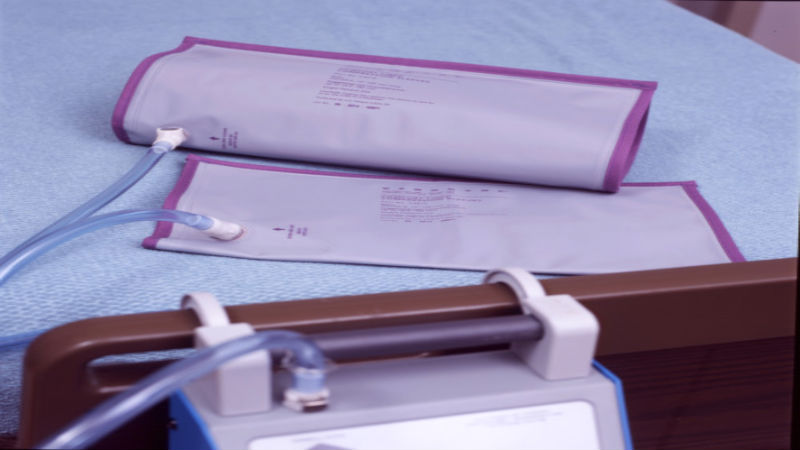
As the industry grows and the population ages, the demand for such bags as well as other disposable medical products has drastically increased the interest in this type of technology. Today, radio frequency sealing is used to manufacture a long list of disposable medical products such as drainage and fluid collection bags, nephrostomy, ostomy and colostomy bags, compression sleeves and cuffs, laparoscopic surgery specimen collection bags, passenger and crew oxygen bag assemblies, inflatable air bladders, CBRN safety hood assemblies and much more.
How it Works
The basic radio frequency sealer is made up of a radio transmitter with a press that uses air to open and close a power applicator. The transmitter creates a radio frequency wave power, instead of transmitting a radio signal. It features controls, an oscillator, and a power supply. Processors calculate in kilowatts the required level of power for the radio frequency sealing application.
There is not another method for sealing bags that produces the same quality capacity and consistency that can be obtained through radio frequency sealing. Depending on the product type, quantity required and manufacturing environment, there are a variety of processing options available from fully automated to manual.