
Short answer:
- A professional pest removal service follows a clear sequence: inspection, treatment, and follow-up prevention.
- Knowing each stage helps you prepare your home and set realistic expectations before the technician arrives.
A professional pest removal service is not a single spray-and-go visit. It is a structured process designed to identify the root cause of an infestation, apply targeted treatments, and reduce the chance of pests returning.
The Step-by-Step Process of a Professional Service Visit
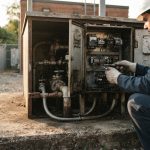
Every reputable pest removal appointment follows a logical sequence. A reputable pest control service will always begin with a thorough inspection of the affected premises, allowing the technician to assess the extent of the infestation, identify the type of pest, and determine the source or entry points.
The technician will carefully examine high-risk areas, including under kitchen sinks, behind heavy appliances, around plumbing penetrations, and inside pantry cabinets, looking for subtle signs of infestation such as droppings, shed skins, gnaw marks, or localized moisture buildup. This also involves examining the exterior perimeter for entry points in the foundation, gaps around utility pipes, and damaged vents.
Once the inspection is complete, the technician presents a treatment plan. The pest control expert will present a customized treatment plan that includes a description of the methods and products to be used, how they address the specific pest, and the estimated timeline for results. The U.S. EPA recommends that licensed professionals follow Integrated Pest Management (IPM) principles, an effective and environmentally sensitive approach that relies on a combination of common-sense practices, using comprehensive information on pest life cycles to manage damage by the most economical means and with the least possible hazard to people, property, and the environment.
What Happens During Treatment
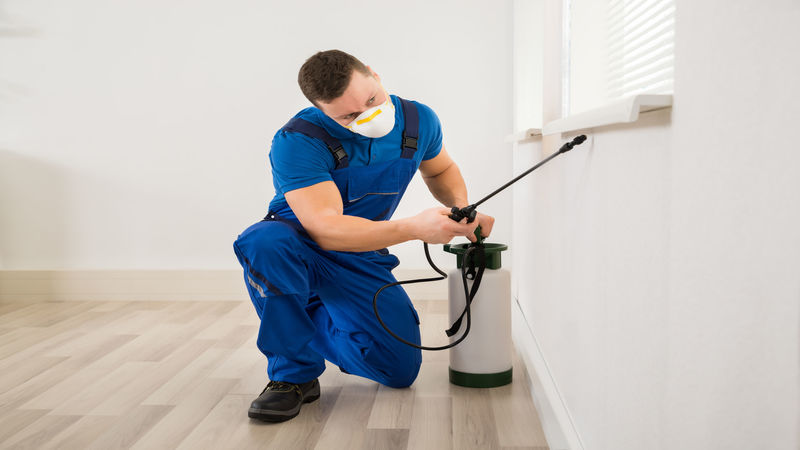
With the interior and exterior assessments complete, the technician transitions into applying customized treatment solutions tailored to your home’s specific layout and pest challenges, prioritizing targeted, low-impact applications that maximize effectiveness while maintaining a safe environment for your family and pets.
The specific methods used depend on the pest type. Here is a quick comparison of common scenarios:
| Pest Type | Primary Treatment Method | Typical Visit Duration |
|---|---|---|
| Rodents (mice, rats) | Exclusion, bait stations, trapping | 60-90 minutes |
| Insects (ants, cockroaches) | Gel baits, liquid barrier, crack/crevice treatment | 30-60 minutes |
| Bed bugs | Heat treatment or chemical application | 2-4 hours |
| Wildlife (raccoons, birds) | Trapping, exclusion, structural repairs | Varies by scope |
Services can range from one-time emergency treatment to regular scheduled maintenance programs, giving property owners the freedom to choose the pest solution that fits their situation. All work should be guaranteed in writing by a reputable provider.
Documentation, Safety, and What You Should Receive
At the conclusion of the visit, the technician provides a written service report detailing pesticide products used, application sites, pest findings, and any recommended follow-up. Property owners should retain this documentation, as it is often required for warranty claims and may be relevant if a complaint is filed with the state regulatory authority.
Before the technician leaves, ask for the following:
- The EPA registration numbers for any products applied
- A written summary of entry points identified
- Recommended preparation steps for any follow-up visit
- A timeline for when results should be visible
Pests like rodents, termites, and wasps can cause structural damage or health risks, and if pests are nesting in areas like attics or crawl spaces, technicians may need to use specialized equipment for removal. This is why the written report matters: it creates a record of what was found and what was done.
Frequently Asked Questions
Do I need to leave my home during treatment? It depends on the treatment type. Most standard insect or rodent treatments allow you to remain home, though you may be asked to vacate treated rooms briefly. Heat treatments for bed bugs typically require you to leave for several hours.
How many visits will I need? You should expect clarity about whether the treatment will be a one-off solution or part of a broader pest management program. If a follow-up is required, especially for severe infestations such as termites or bed bugs, it will be clearly scheduled in advance.
What pests can a licensed service handle? A full-service provider treats every common pest including mice, rats, cockroaches, bed bugs, ants, termites, wasps, and spiders, and also handles nuisance wildlife removal including raccoons, squirrels, bats, and birds.
How do I prepare before the technician arrives? Clear access to baseboards, under sinks, and appliances. Secure food in sealed containers. Note where and when you have seen pest activity so you can give the technician a precise account.
If you are dealing with an active infestation or want a preventive inspection, Guardian Pest Control offers residential, commercial, and industrial pest removal services with 24-hour availability and a written guarantee on every job. Knowing what to expect from each stage of the process puts you in a better position to work with your technician and get lasting results.