
When it comes to maintaining your home’s structural integrity, your roof plays a crucial role. A well-maintained roof not only protects your home from the elements but also helps improve energy efficiency and prevent costly water damage. However, over time, wear and tear can take a toll, leading to the need for a new roof installation. We will explore the top signs that indicate it’s time for a new roof, helping you make informed decisions for your home.
1. Age of Your Roof
The age of your roof is one of the primary factors that determine whether it needs replacing. Most residential roofs last between 20 to 25 years, depending on the materials used and the climate in your area. If your roof is approaching or has surpassed this age, it’s a good idea to start considering a new roof installation. Even if your roof hasn’t shown obvious signs of damage, older roofs are more likely to experience issues, including leaks, wear, and structural weaknesses.
2. Curling or Buckling Shingles
Curling or buckling shingles are a clear sign that your roof is nearing the end of its lifespan. When shingles curl at the edges or begin to lift, it indicates that the protective layer of your roof is compromised, exposing it to potential leaks and water damage. This can occur due to weather exposure or improper installation. If you notice curled or buckled shingles, it’s time to consult residential roofing contractors for an assessment.
3. Granules in the Gutters
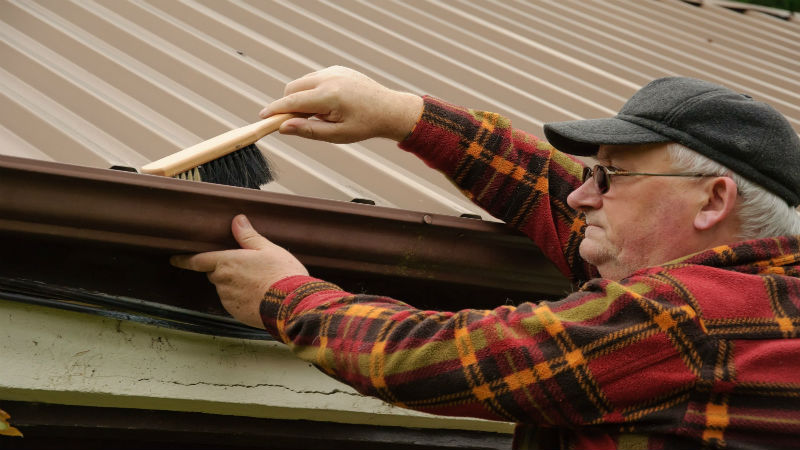
If you’ve noticed an increase in granules (small, gravel-like particles) in your gutters or around your yard, it could indicate that your shingles are deteriorating. Asphalt shingles, in particular, shed their granules as they age. This is a sign that the shingles are losing their protective layer and are no longer functioning as effectively. A substantial amount of granules in the gutters is a sign that your roof may need replacement sooner rather than later.
4. Leaks or Water Damage in the Attic
Water stains or mold in your attic are a telltale sign that your roof is compromised. If you notice any damp spots or discoloration on your ceilings or walls, or if you experience water damage in your attic, it’s crucial to have your roof inspected immediately. Even small leaks can lead to significant structural issues and mold growth, which can be costly to repair if left unchecked.
5. Damaged Flashing Around Chimney or Vents
Flashing is the material that surrounds chimneys, vents, and skylights to prevent water from seeping through the gaps. Over time, flashing can become loose, cracked, or damaged, allowing water to infiltrate your home. If you notice issues with the flashing around these areas, it’s a clear sign that your roof may need repairs or replacement. Residential roofing contractors can inspect the flashing and recommend the necessary steps to protect your home.
6. Sagging Roof Deck
A sagging roof deck is a serious concern that could indicate significant structural damage. If your roof appears to sag in certain areas, it may be a sign that the underlying structure has been weakened, potentially due to moisture buildup or the weight of accumulated snow. A sagging roof can lead to further damage and should be addressed immediately by a professional roofer.
7. Excessive Energy Bills
Your roof plays a critical role in regulating your home’s temperature. If your roof is damaged or deteriorating, it can cause heat loss in the winter and heat gain in the summer, leading to higher energy bills. If you notice a sudden increase in your utility costs, it could be related to roofing issues that are allowing air to escape or enter your home. A new roof installation with better insulation may help reduce your energy expenses and improve your home’s energy efficiency.
8. Multiple Repairs Within a Short Period
If you’ve found yourself scheduling frequent roof repairs in the past few years, it may be a sign that your roof is beyond repair. While minor fixes can extend the life of your roof, constant repairs may be a signal that your roof is deteriorating faster than it can be maintained. In these cases, it’s often more cost-effective to invest in a new roof installation rather than continue with repairs.
9. Shingle Granule Loss
If you notice your shingles becoming granular and brittle, it could mean they are no longer protecting your home effectively. Granules on shingles serve as a protective layer, guarding against UV rays and harsh weather conditions. Over time, these granules wear off, causing shingles to lose their ability to reflect sunlight and prevent leaks. If you notice large amounts of granules in your gutters or around your yard, this could be a strong indicator that it’s time for a new roof.
How to Prepare for a New Roof Installation
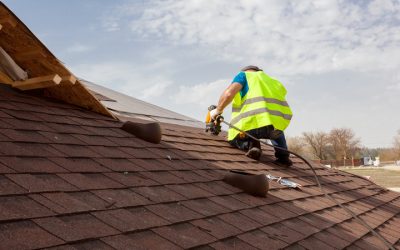
When it’s time for a new roof installation, preparation is key to ensuring the project goes smoothly. Start by consulting with the best residential roofing company in your area to get a comprehensive estimate and schedule an inspection. During this time, you should:
- Clear any debris or items from your yard to provide easy access for the roofing crew.
- Ensure pets and children are safely away from the work area.
- Make arrangements for temporary shelter if the installation is expected to take more than one day.
Proper preparation will help streamline the process and ensure that your new roof installation goes off without a hitch.
Signs You Need a New Roof Installation
If you’re noticing any of the signs mentioned above, it’s important to act quickly and schedule an inspection with a professional roofing company. Taking care of your roof before small issues turn into major problems will save you time, money, and stress in the long run. For more information on when to replace your roof, check out signs you need new roof and reach out to trusted roofing experts in your area.