
Key point:
- Digital marketing services combine search visibility, paid advertising, and content strategy to help businesses reach local customers.
- Businesses serving Dickinson, TX can expand their reach through coordinated online channels rather than relying on a single marketing tactic.
- Measurable tracking tools allow business owners to see which campaigns generate actual leads and calls.
Businesses that want consistent customer growth typically need more than a single advertising channel; they need a coordinated approach that covers search visibility, paid traffic, and content that builds trust over time. This is the core function of Digital Marketing Services Dickinson TX, which bring together multiple online channels so a business shows up where potential customers are already searching.
For a small or mid-sized company, the difference between sporadic foot traffic and a steady lead pipeline often comes down to whether marketing efforts are connected or scattered across disconnected tools.
What Falls Under Digital Marketing Services
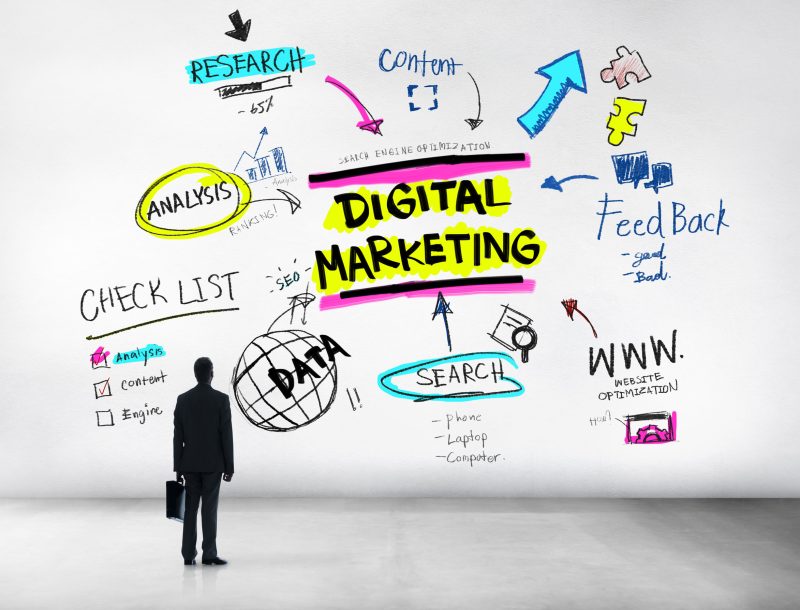
Digital marketing is not one activity but a set of coordinated disciplines. Each one serves a distinct purpose in the customer journey, from the first search query to the final purchase decision.
- Search engine optimization (SEO): Improves organic visibility in search results over weeks and months.
- Pay-per-click (PPC) advertising: Generates immediate traffic through paid search or social ads.
- Content marketing: Builds authority through blog posts, guides, and resource pages.
- Social media management: Maintains an active brand presence and engages existing customers.
- Email marketing: Nurtures leads who are not yet ready to buy.
- Analytics and reporting: Tracks which channels actually produce conversions.
Each discipline supports the others. SEO brings long-term organic traffic, while PPC fills gaps during the ramp-up period before organic rankings mature.
Why Local Businesses Need a Coordinated Strategy
A business that only runs ads without an optimized website, or that publishes content without tracking results, tends to waste budget on efforts that do not compound. Coordinated strategies allow each channel to reinforce the others, so a visitor who finds a business through organic search might later convert through a retargeting ad or an email follow-up.
For companies serving a defined service area, this coordination matters even more. Local search behavior is different from broad national queries; people searching for services in a specific town expect to find businesses that clearly serve their area.
Local Search Behavior in Service-Area Markets
Residents and businesses searching for local providers often use location-specific terms, such as a city name paired with the service they need. According to the Federal Trade Commission’s guidance on online advertising, businesses are expected to represent their services and locations accurately in marketing materials, which includes clear service-area disclosures rather than implying a physical presence that does not exist.
This distinction matters for companies that serve a community without maintaining a storefront there. Based in Houston, TX, CRM Digital Inc works with businesses that serve customers across Dickinson, TX, which means marketing content for that area needs to accurately reflect a service relationship rather than a local office.
Comparing Core Digital Marketing Channels
Different channels offer different timelines and cost structures. Understanding these tradeoffs helps business owners allocate budget more effectively.
| Channel | Typical Timeline | Cost Structure | Best For |
| SEO | 3 to 6 months for measurable gains | Ongoing monthly investment | Long-term organic visibility |
| PPC advertising | Immediate, within days | Pay-per-click, budget-controlled | Fast lead generation |
| Content marketing | 2 to 4 months for traction | Ongoing content production | Building authority and trust |
| Social media | Ongoing, variable | Low to moderate cost | Brand awareness, engagement |
| Email marketing | Immediate for existing lists | Low cost per contact | Repeat customers, nurturing leads |
Businesses with limited budgets often start with PPC for quick visibility while SEO and content build momentum in the background.
How Service-Area Targeting Works
When a business based in one city wants to reach customers in a nearby town, digital marketing services typically rely on a mix of location-based keyword targeting, localized content, and geographically defined ad campaigns. This approach lets a business appear in relevant search results for a service area without claiming a physical address there.
Practical methods include:
- Creating location-specific landing pages that describe services available to that area.
- Running geo-targeted PPC campaigns limited to a defined radius or set of zip codes.
- Building local content that addresses common questions or concerns relevant to that community.
- Maintaining accurate business listings that clearly state the service area served.
These methods keep marketing claims factual while still helping a business connect with residents and companies outside its home city.
Measuring Results From Digital Marketing Efforts
Tracking performance is what separates effective digital marketing from guesswork. Most campaigns rely on a handful of core metrics to judge whether spending is translating into business outcomes.
- Organic traffic growth: Measured through analytics platforms over time.
- Conversion rate: The percentage of visitors who complete a desired action, such as a call or form submission.
- Cost per lead: Total ad spend divided by the number of leads generated.
- Keyword rankings: Position changes for targeted search terms.
- Click-through rate (CTR): How often an ad or listing is clicked relative to impressions.
Reviewing these metrics monthly allows a business to adjust budget allocation between channels rather than committing to a single tactic indefinitely.
Frequently Asked Questions
How long does it take to see results from digital marketing services? SEO typically takes three to six months for measurable ranking improvements, while PPC campaigns can generate traffic within days of launch.
Can a business market to a service area without a physical office there? Yes. Service-area businesses commonly use geo-targeted advertising and localized content to reach customers in nearby towns without implying a local address.
What is the difference between SEO and PPC? SEO builds organic, unpaid visibility over time, while PPC involves paying for each click on an advertisement to generate immediate traffic.
How much should a small business budget for digital marketing? Budgets vary widely based on industry, competition, and goals; most businesses start with a modest monthly budget and adjust based on measured performance.
Final Thoughts
Digital marketing services work best when channels are coordinated rather than treated as isolated tactics, allowing search visibility, paid traffic, and content to reinforce one another over time.
Current listing information for CRM Digital Inc is published for reference by businesses researching local digital marketing options.